
Optimising for Brave Search: What It Actually Does for AI SEO and LLM Visibility
Brave Search API now powers grounding for AI tools including several major LLMs. Here is what that actually means for AI SEO, what to fix first, and what it will not do.

Brave Search API now supplies real-time web data to most of the top AI language models, and for some of them, Brave says it is the only search index behind their answers. That is Brave’s own claim, and it is worth taking seriously, because it means a slice of AI-generated answers are being built from Brave’s index specifically, not Google’s or Bing’s.
This post is not another “10x your AI visibility” piece. It is what we actually found when we checked Brave’s own documentation against the hype, what we think is worth doing, and what we are testing ourselves before we tell clients to prioritise it.
- Brave Search API is an independent index (30 billion-plus pages, its own crawler, not a Google or Bing repackage) that several AI products use for real-time grounding.
- Brave’s own blog claims it supplies “most of the top 10 AI LLMs” with web data and is the sole index behind some AI answers, though it does not name which ones. Treat that as a directional claim, not a verified fact.
- There is no separate “Brave bot” to whitelist. Brave follows Googlebot’s crawlability rules, so a page Google can crawl and index, Brave generally can too.
- What actually moves the needle is the same list that helps every AI retrieval system: clean crawlability, a direct answer up top, schema, and consistent entity data.
- This is a supporting layer for AI SEO, not a standalone strategy. It will not get you cited in an LLM’s training data, and it will not replace the work of ranking well in Google.
What Brave Search actually is
Brave Search runs on its own independent web index, currently more than 30 billion pages, refreshed by over 100 million page updates a day. Brave is explicit that this is not Google or Bing results repackaged: it is built from Brave’s own crawler plus the privacy-focused Web Discovery Project, where users can opt in to contribute anonymised browsing signals.
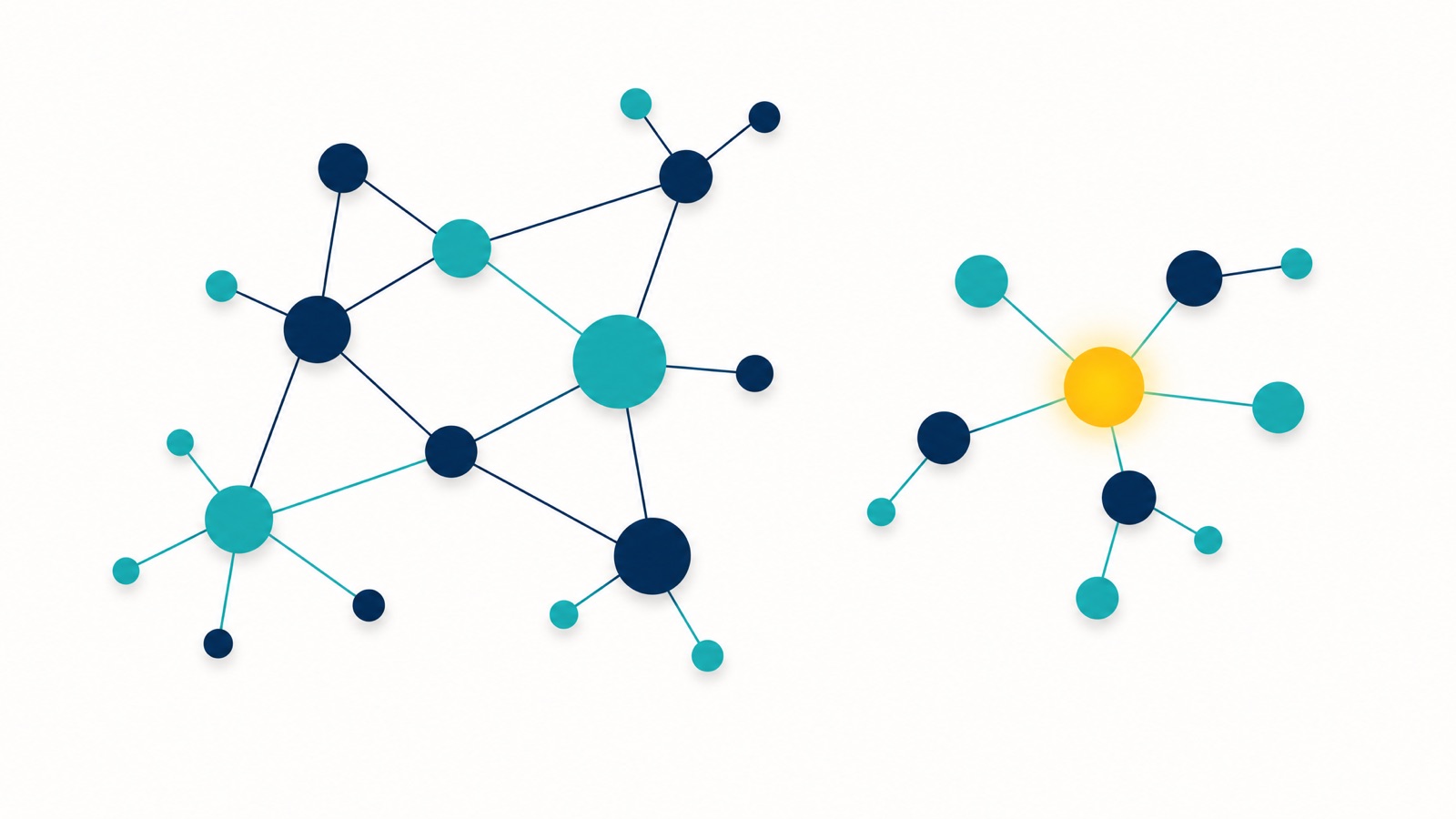
That independence is the whole pitch. Brave Search API exposes this index through several endpoints, including a “LLM Context” endpoint built specifically for AI applications. Brave describes it as returning pre-extracted, relevance-ranked page content designed for grounding workflows, rather than raw HTML an AI tool has to parse itself.
Brave defines web grounding as basing a model’s answer on live web content retrieved at query time, in four steps: search the web for relevant results, fetch content from those pages (full text, extracted passages, or metadata), inject that content into the model’s context window, then generate an answer with source attribution attached. That is the mechanism. It is not magic, and it is not unique to Brave, but Brave has built a product specifically to feed that pipeline.
The AI grounding claim, and why we are treating it carefully
On its own blog, Brave states its Search API “already supplies most of the top 10 AI LLMs” with real-time web data, and that for some of them, Brave is the only search index behind their AI answers. It also says Brave’s own “Answer with AI” feature handles over 15 million queries a day.
We are not able to verify which specific LLMs that refers to, because Brave does not name them in that post. We are citing it because it is Brave’s own claim about its own product, not because we have confirmed it independently. If a business asks us “will this get me cited by ChatGPT”, the honest answer is: it might contribute to it, we cannot promise it, and Brave itself has not published the detail that would let anyone confirm it precisely.
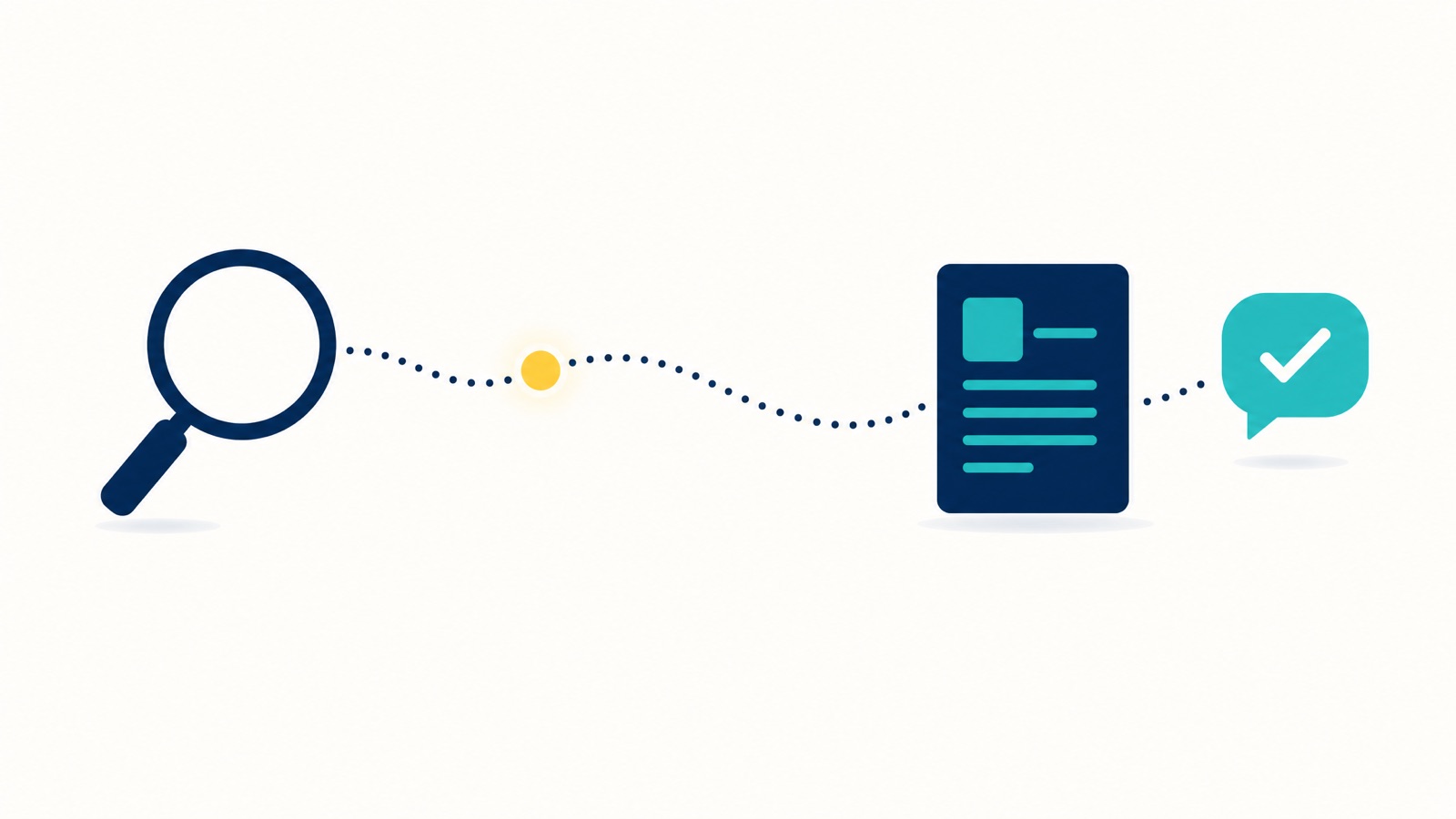
What we can say with more confidence: AI products that use live web search (as opposed to only their training data) need a retrieval layer, the mechanism our AI search reference walks through platform by platform, and Brave has built and is actively marketing a retrieval layer aimed at exactly that use case. Being invisible to that specific index removes you as a candidate source for whatever slice of AI answers draws from it. Being visible does not guarantee a citation. It just means you are in the running.
Fixing the crawlability myth
The most common piece of Brave SEO advice floating around is to add a “Bravebot” rule to robots.txt. According to Brave’s own crawler documentation, that is not how it works. Brave says it deliberately does not advertise a differentiated user agent, specifically to avoid being blocked by sites that only allow Googlebot. Its crawler follows the same crawlability rules as Googlebot: if a domain is not accessible to Google’s bot, Brave will not crawl it either.
Brave’s documentation also makes a distinction worth knowing: robots.txt does not control whether a page gets indexed. The noindex directive does that. If you want a page out of Brave’s index, robots.txt is the wrong tool.
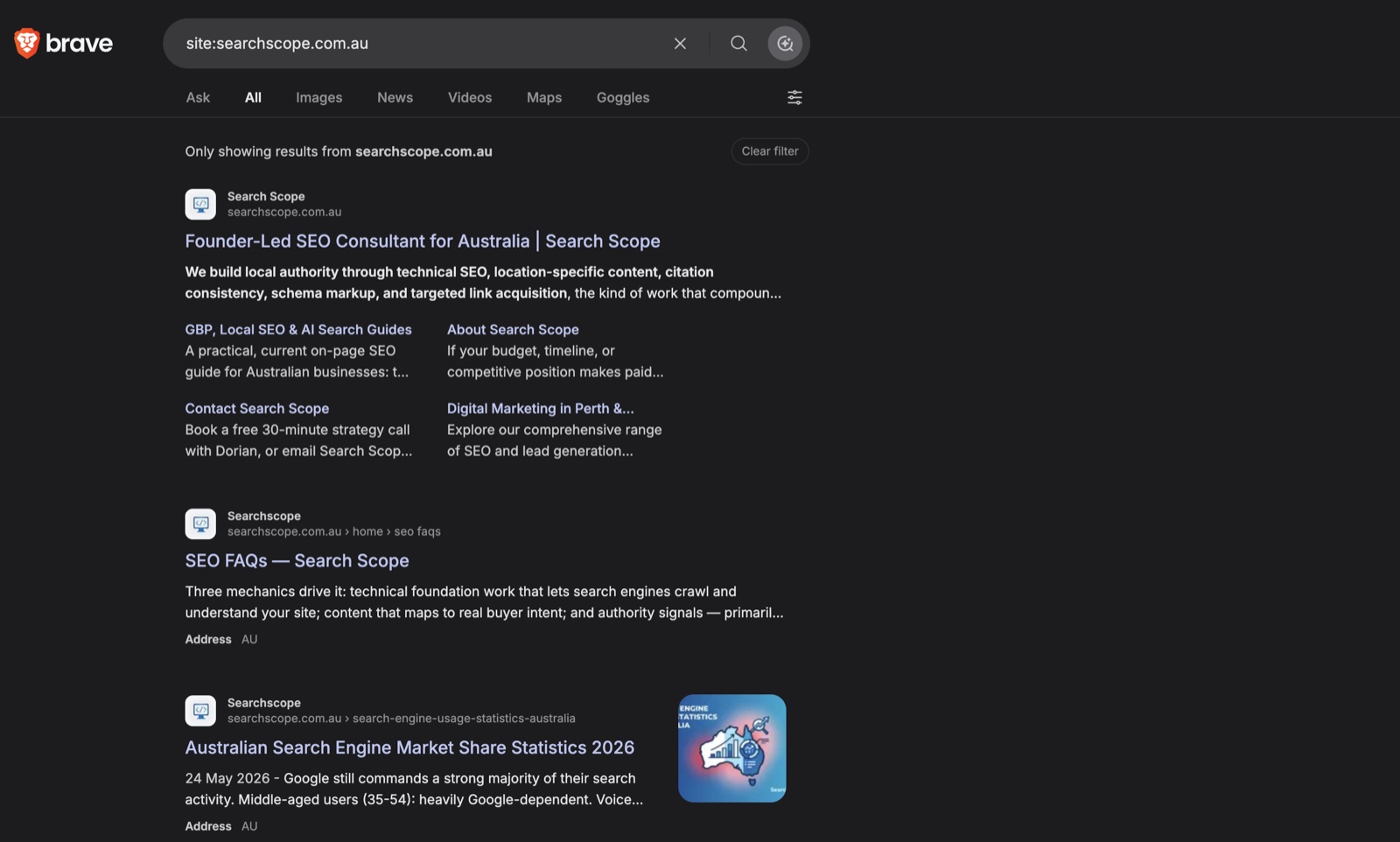
The practical takeaway: there is no separate Brave crawlability project. If your site already returns clean 200 status codes, has an accurate sitemap, avoids JS-only critical content, and is crawlable and indexable by Google, you have already done the Brave-specific crawlability work. Check indexing status directly at search.brave.com with a site: search, the same way you would check Google. Brave also provides a URL submission tool if you want to prompt a re-crawl of a specific page rather than wait for the crawler to find it on its own. Not indexed anywhere is not mentioned anywhere, and that applies to every engine you have not bothered to check.
What actually moves the needle
Once crawlability is confirmed, the work that helps in Brave overlaps almost entirely with the work that helps in Google’s AI Overviews, ChatGPT, and Perplexity. None of it is Brave-specific. That overlap is the real point.
Lead with a direct, extractable answer
The LLM Context endpoint is built to pull relevant snippets, not to summarise an entire page. Content that leads with a plain, direct answer before the supporting detail is easier for that kind of extraction to lift cleanly. This is the same principle we cover in our post on AI Overviews and local search: the shift is from ranking to representation, being a source a retrieval system can confidently and accurately quote.
Get schema right
Structured data does not force an AI system to use your content, but it removes ambiguity about what a page is and who it belongs to. LocalBusiness and Organization schema matter here for the same reason they matter for Google’s rich results.
Keep entity data consistent
Business name, address, phone, and service details need to match everywhere: your site, your Google Business Profile, your citations. NAP consistency and a clearly defined business entity matter more, not less, in a system with less personalisation to fall back on. Brave is privacy-first by design; it is not building a profile of the individual searcher the way Google can. That makes the explicit signals on your site (schema, consistent NAP, clear service-area pages) carry more relative weight, because there is less implicit personalisation filling the gaps.
Treat security and privacy signals as trust signals
Brave’s entire product is built on a privacy pitch. HTTPS, a clear and current privacy policy, and no shady tracking scripts will not move a ranking factor we can point to in Brave’s documentation, but they are consistent with the kind of site a privacy-focused search product and its users are inclined to trust. We would rather flag this as reasonable alignment than claim it as a confirmed algorithmic signal, because it is not documented as one.
Skip the generic citation blasts
Third-party corroboration still helps, digital PR, industry publications, and genuine mentions all feed the wider entity picture. Directory spam and low-quality citation blasts do not. That has been true for years and Brave has not changed it.
What we actually do about this, and what we are still testing
This is now part of our standard process, not a theory we read about. We run the same foundation work for Brave that we run for Google (crawlability, schema, entity consistency, direct-answer content) on every client site, and we check indexing status directly in Brave as part of that, the same way we already check Google Search Console and Bing Webmaster Tools. A page absent from Brave’s index is a gap we can see and fix, not a guess.
Checking our own site while researching this piece, searchscope.com.au is well indexed in Brave: the homepage returns with full sitelinks (About, Contact, our SEO FAQs page, our AI/local SEO guides hub), and Brave surfaces an entity-style summary panel alongside it. That is a direct result of the same technical and content fundamentals covered above, not anything Brave-specific we did on top.
We have also started running a more specific experiment. Some URLs that are not yet appearing in Brave’s index are being visited by real users browsing with Brave’s Web Discovery Project enabled. Our hypothesis is that these visits may help Brave discover URLs that have not yet been crawled or indexed. If that holds up, the Web Discovery Project could act as an additional discovery mechanism alongside the usual routes, XML sitemaps and internal linking. We do not have a confirmed answer yet. We will update this article with our findings once we have gathered enough data.
Frequently Asked Questions
Does ranking well in Google mean I will rank in Brave Search too?
Not automatically. Brave runs its own independent index and its own ranking model, built from its own crawler plus voluntary Web Discovery Project data. A page that ranks in Google can be weak, missing, or ranked differently in Brave. Check it directly rather than assuming.
Do I need to allow or block a special Brave crawler in robots.txt?
No. Brave’s own documentation says it does not run a separately identified crawler and instead follows the same crawlability rules as Googlebot. If Google can crawl and index a page, Brave generally can too. robots.txt does not control whether a page gets indexed either way; the noindex directive does.
Will optimising for Brave help me show up in ChatGPT or Google AI Overviews too?
Indirectly, and only because the underlying work overlaps. Clean crawlability, structured content with a direct answer up top, consistent entity data, and schema markup all help across every AI retrieval system, not just Brave. But each AI product uses a different mix of indexes and crawlers, so there is no single fix that guarantees visibility everywhere.
Should Brave Search be a priority over standard SEO?
No. It is a supporting layer, not a replacement. The fundamentals that make a page rank in Google and get cited by AI assistants are the same fundamentals that make it findable in Brave. Fix those first. Brave-specific work is refinement, not a new strategy.
The limitation nobody selling this is advertising
Optimising for Brave is a technical and content-quality layer that sits underneath AI search visibility. It is not a standalone generative engine optimisation strategy, and it will not get a business cited in every AI product on the market. Different AI tools use different indexes, different crawlers, and different proprietary ranking systems. Perplexity, ChatGPT, Google’s AI Overviews, and Brave’s own AI features do not all draw from the same source. Strong entity coverage, clean technical foundations, and genuinely useful content are still the work. Brave is one more place that work can pay off, not a shortcut around it.
If you want to know where your AI visibility actually stands right now, run it through our GEO checklist, the same 84-point framework we use on every client site. Or and we will walk through what is worth fixing first for your situation, and what is not worth the time yet.