
Google Algorithm Updates and Local SEO (2026 Update)
Every confirmed Google algorithm update through March 2026 and what each means for Australian local SEO. Includes recovery playbook and CWV updates.

Latest update (as of May 2026): the March 2026 Core Update completed its 12-day rollout on 8 April 2026. It was preceded by the March 2026 Spam Update (24-25 March, under 24 hours, the fastest confirmed spam update in Google’s history) and the February 2026 Discover Core Update (the first-ever dedicated Discover update).
Google’s 2026 algorithm cadence has shifted noticeably. There were 9 confirmed updates in 2023, 7 in 2024, 4 in 2025, and 4 confirmed so far in 2026 (the February Discover and March core updates, the March spam update, and the May 2026 core update). Fewer updates, but each one carries more weight.
The key changes affecting Australian local SEO in 2026:
- Proximity weighting: businesses closer to searchers rank higher in local packs
- Content quality focus: every core update since March 2024 has integrated Helpful Content signals into core ranking systems
- Spam policy enforcement: Scaled Content Abuse, Expired Domain Abuse and Site Reputation Abuse policies are now actively enforced; SpamBrain detects materially more spam than previous versions
- Mobile-first reality: fast, mobile-optimised sites with passing Core Web Vitals (LCP, CLS, INP) are essential for local visibility
- Google Business Profile accuracy: complete NAP, accurate categories, and active engagement are decisive ranking factors
- Review quality: authentic customer feedback and owner response rate directly influence local pack positions
To maintain visibility through the rest of 2026, focus on GBP completeness, location-specific content with genuine local detail, mobile speed, and consistent review management.
Complete history of Google algorithm updates (2024-2026)
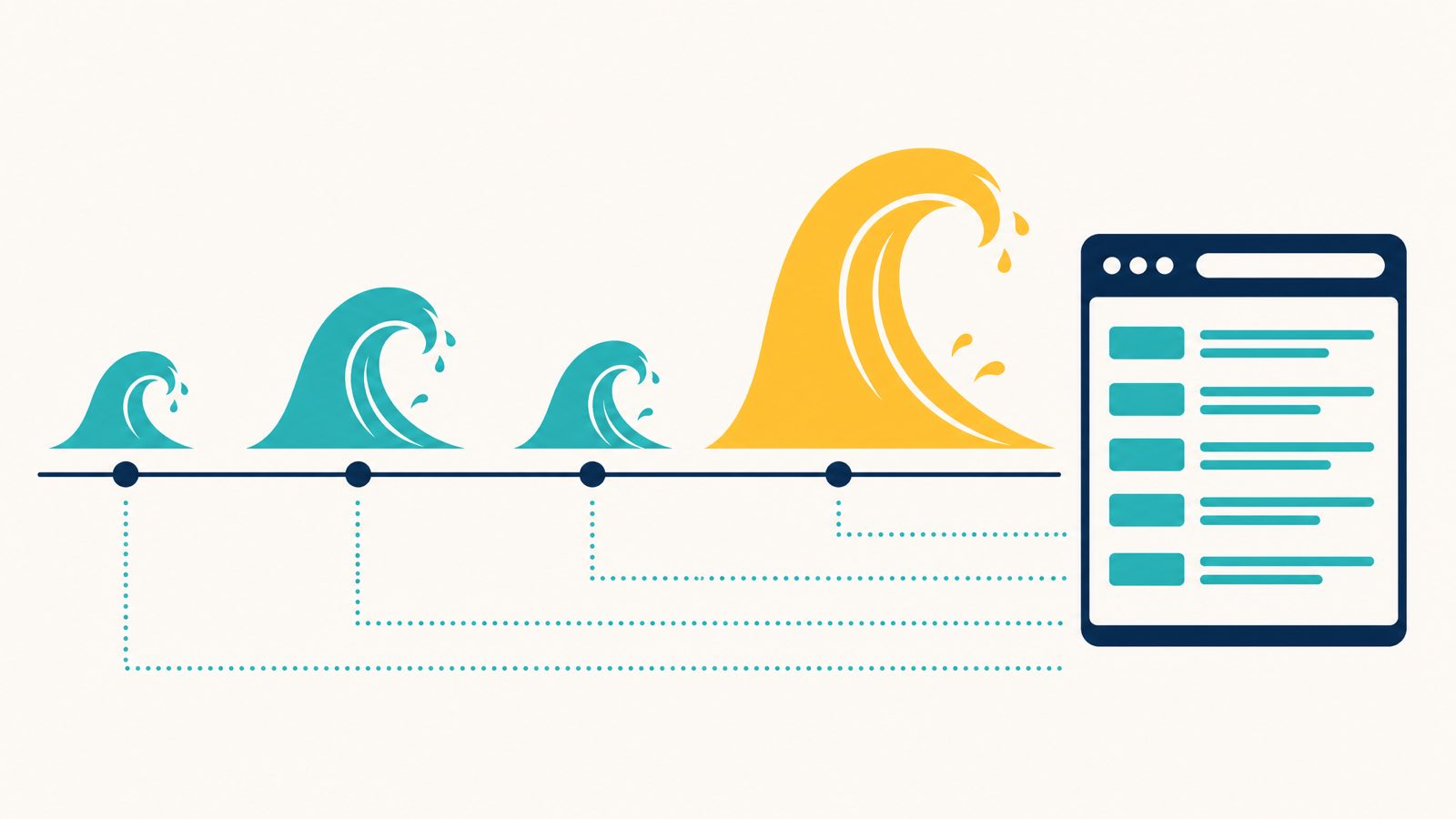
Google algorithm update frequency by year (confirmed updates only)
The trend is clear: Google has consolidated to fewer but larger updates. 2025 had only 4 confirmed updates; 2026 is on track for a similar cadence. Source: Google Search Status Dashboard, cross-referenced against Search Engine Land and Ahrefs algorithm tracker.
2026 figure is YTD May; full-year total expected to land around 5-6 updates.
2026 updates (YTD)
- March 2026 Core Update (27 March - 8 April): 12-day rollout, the Semrush Sensor was reported to have peaked around 9.5/10, ran back-to-back with the March 2026 Spam Update
- March 2026 Spam Update (24-25 March): under 24 hours, fastest confirmed spam update in Google’s history, global rollout enforcing existing spam policies
- February 2026 Discover Core Update (6 February - 5 March): first-ever standalone Discover Core Update, focused on Google Discover feed relevance and freshness
2025 updates
- December 2025 Core Update (11-29 December): 18 days, nicknamed “The Core Before Christmas”, significant YMYL impact
- August 2025 Spam Update (26 August - 22 September): 27 days, two waves of impact around 26 August and 9 September, longest spam update since March 2024
- June 2025 Core Update (30 June - 17 July): 16 days, recoveries for sites previously hit by Helpful Content updates (Google’s MUVERA retrieval method was published during this window, though Google never tied it to the update)
- March 2025 Core Update (13-27 March): 14 days, integrated helpful content concepts deeper into core systems
2024 highlights
- December 2024 Core + Spam Updates (12-26 December): paired rollout focused on quality and low-quality content networks
- November 2024 Core Update (11 November - 5 December): 23 days, significant SERP volatility
- August 2024 Core Update (15 August - 3 September): demoted unhelpful content materially, partial recovery for sites previously hit
- March 2024 Core Update (5 March - 19 April): 45-day rollout (longest ever), integrated Helpful Content into core algorithm, cut low-quality unoriginal content by about 45%, introduced Scaled Content Abuse + Site Reputation Abuse + Expired Domain Abuse policies
- AI Overviews launch (14 May 2024): first global rollout of AI-generated SERP summaries
For the complete timeline dating back to 2003, visit the Google Search Status Dashboard.
Changes in Google updates that impact local SEO
Google’s recent updates have shifted how local SEO agencies work, with content quality, user experience and AI Overview citation now sitting at the top of the priority list.
Content quality and user experience
The March 2025 Core Update integrated helpful content concepts deeper into core ranking systems. Google now prioritises content showing local expertise and real user value over generic, keyword-focused pages.
The June 2025 Core Update reinforced quality and helpfulness at scale. Sites with thin, AI-generated content saw significant ranking drops.
The December 2025 and March 2026 Core Updates extended this pattern. YMYL (Your Money or Your Life) sites in finance, health and legal categories took the largest hits when content quality was thin or unverified.
User experience metrics like Core Web Vitals continue to matter. Fast-loading, mobile-optimised sites with clear navigation consistently outrank slower competitors in local search results.
Google Maps and Local Pack Changes
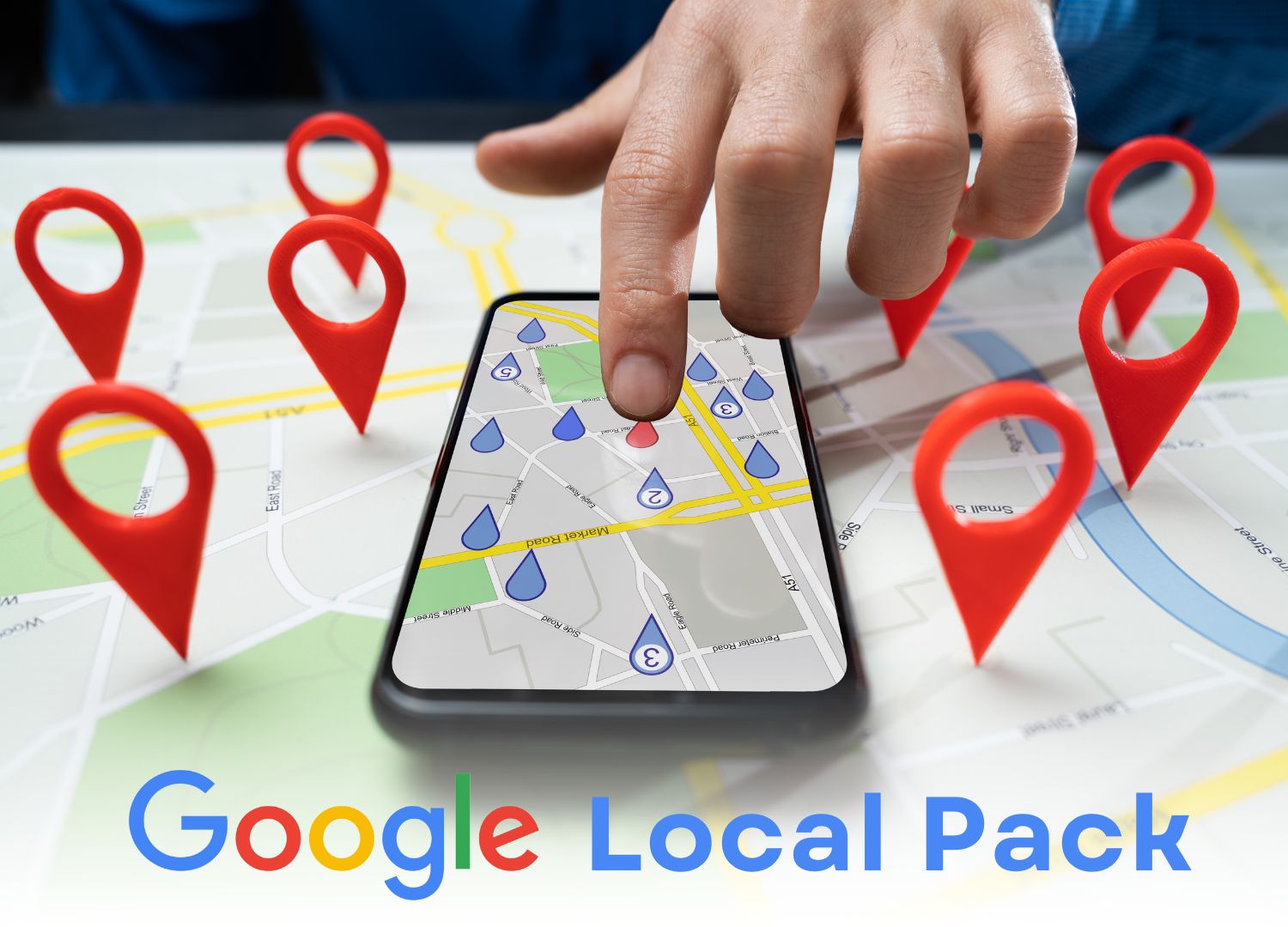
Google has refined ranking criteria for ranking in Google Maps and Local Pack results through 2024-2025 updates.
| Factor | Description | Impact on Local Pack Rankings |
|---|---|---|
| NAP Consistency | Same Name, Address, Phone across all listings | Prevents ranking penalties |
| Category Accuracy | Selecting precise business categories | Higher relevance in search |
| Review Velocity | Steady flow of authentic reviews | Improves trust & rankings |
| Photo Quality | High-res, relevant images | Increases click-through rate |
Proximity is also super important for your campaign’s performance!
Local Ranking Factors Affected by Core Updates (2025)
Improving Google Business Profiles
Start by regularly checking and updating your NAP (Name, Address, Phone) information across all platforms to avoid ranking penalties. Be cautious about using unnecessary keywords in your business name, as this can result in penalties following the March 2025 update.
Make sure your profile is complete. Add high-quality photos, accurate business hours, and detailed descriptions of your services. Choose business categories that directly reflect your main offerings instead of picking unrelated options.
After optimising your Google Business Profile, shift your focus to ensuring your website provides a smooth experience for mobile users.
Making websites mobile-friendly
Google’s Core Web Vitals are now well-established as a ranking signal. Important 2026 update: First Input Delay (FID) was officially replaced by Interaction to Next Paint (INP) on 12 March 2024. INP is now the responsiveness metric Google uses.
| Core Web Vital | Threshold (Good) | Local SEO Impact |
|---|---|---|
| Largest Contentful Paint (LCP) | Under 2.5s | Faster pages rank higher in local packs |
| Interaction to Next Paint (INP) | Under 200ms | Replaced FID in March 2024; responsive sites retain more local visitors |
| Cumulative Layout Shift (CLS) | Under 0.1 | Stable layouts improve user engagement |
Mobile performance directly impacts rankings. A meaningful share of local mobile searches result in offline visits within 24 hours (Google’s long-running “near me” research), which is why slow mobile sites lose customers before they even read the content.
Use Google’s PageSpeed Insights to identify specific issues. Compress images to WebP or AVIF format, enable browser caching, lazy-load below-the-fold images, and audit third-party scripts. Most CWV wins in 2026 come from script-bloat reduction rather than image optimisation alone.
Encouraging customer reviews and feedback
Customer reviews remain a critical local ranking factor. Per the BrightLocal Local Consumer Review Survey 2026:
- 97% of consumers read reviews for local businesses
- 80% prefer businesses that respond to every review
- 81% expect a response within a week, with 19% now expecting same-day (up from 6% in 2025)
- 31% only consider businesses with 4.5+ stars (nearly double the 17% from 2025)
Simplify the review process using QR codes linking directly to your Google Business Profile. This reduces friction and increases review completion rates.
Respond professionally to all reviews. Address specific points raised by customers to demonstrate engagement and build trust with prospects. Google’s official guidance confirms that active reputation management correlates with improved local search visibility.
Focus on review quality over quantity. One detailed review describing specific services carries more ranking weight than multiple generic five-star ratings.
“Businesses can improve their local rankings by optimising their Google Business Profiles and creating location-specific content”, says Joy Hawkins, a well-known local SEO expert.
Local Search Penalties: Diagnose the Type First
Not every ranking drop is the same problem, and treating them the same wastes weeks. Local “penalties” fall into three buckets, each with a different fix path:
- Manual actions are applied by a person on Google’s web spam team and show up as a notification in Search Console under Security & Manual Actions. They need a reconsideration request with documented fixes, and typically lift 10 to 30 days after Google reviews it.
- Google Business Profile suspensions are a separate system. You fix the underlying issue (keyword-stuffed name, NAP mismatch, ineligible address) and appeal through the GBP Appeals Tool, which gives you a roughly 60-minute window to upload evidence (business registration, utility bills, premises photos). These often resolve in 3 to 14 days.
- Algorithmic demotions are the quiet one: no notification, no appeal. Your rankings slide after a core or spam update because your site no longer meets the quality bar. The only fix is to improve the content and technical signals and wait for the next core update to reprocess, which can take months.
The classic algorithm names are now part of this picture rather than standalone events: Penguin (link spam) was folded into the core algorithm in 2016, and the Possum local-filtering behaviour still runs, just no longer announced as separate updates.
A 10-minute triage
Before you change anything, work out which bucket you are in:
- Check Search Console under Security & Manual Actions for any flagged violation.
- Verify your Google Business Profile status (live, suspended, or restricted).
- Match the timing of your drop against the algorithm update history above. A drop that lines up with a confirmed core or spam update is almost certainly algorithmic.
- Compare ranking drops against traffic drops to isolate whether the problem is site-wide or page-specific.
Common triggers
The violations that most often cause local penalties: keyword-stuffed business names (“Bob’s Plumbing Perth & Fremantle”), duplicate GBP listings for one location, fake or incentivised reviews, thin or AI-generated suburb pages that fall under the Scaled Content Abuse policy, and unnatural link building with over-optimised commercial anchors.
One 2026 note on links: Google has materially downplayed the Disavow tool. John Mueller has repeatedly said most sites do not need it, because Google’s systems increasingly ignore spam links automatically. Only reach for Disavow if you have a manual link penalty or a documented negative-SEO attack.
Recovery sequencing
For a manual action, fix everything flagged with a thorough local SEO audit, then submit a reconsideration request that acknowledges the violation, lists the specific steps you took, states how you will prevent it recurring, and attaches evidence (URLs, screenshots). Be honest and do not argue. For an algorithmic demotion there is nothing to submit: consolidate thin or duplicate pages, add genuine first-hand local detail, fix Core Web Vitals (especially mobile INP and LCP), and wait for the next core update. Getting the order right (audit, fix the critical issues, wait for reprocessing, then fix secondary issues) matters more than any single tactic. Typical timelines run 10 to 30 days for a manual action after reconsideration, a few days to a couple of weeks for a GBP appeal, and often two to six months for an algorithmic recovery.
How to Recover from Local Ranking Drops
Bouncing back from local ranking drops requires a clear plan that aligns with Google’s latest algorithm updates.
Tracking Changes with SEO Tools
Use tools like Google Search Console to track key metrics such as click-through rates, average position, and impressions.
These insights help pinpoint underperforming pages. Additionally, Google Business Profile Insights can reveal how customers interact with your listing, offering clues to areas needing improvement.
Once you’ve identified where the drop occurred, it’s time to analyse what top-performing competitors are doing right.
Learning from Competitors and Their Content
Analyse competitors ranking in positions 1-3 for your target local keywords. The June 2025 Core Update particularly affected businesses with thin service pages and duplicate content across multiple locations.
Examine these competitor elements:
- Content Depth: Do they provide more detailed service information or local insights?
- Local Signals: How effectively do they demonstrate connection to your area?
- User Experience: Is their site faster and easier to navigate on mobile devices?
- Business Profile Completeness: Are their Google Business Profiles more comprehensive with better imagery and accurate information?
Use these insights to identify content gaps and optimisation opportunities rather than copying competitor strategies directly.
Addressing Problem Areas
Start by fixing technical issues before tackling content updates. Use Google Search Console to prioritise pages with the steepest ranking drops. Ensure your content aligns with user intent across all four key search types: informational, navigational, transactional, and commercial.
For local businesses, check for inconsistencies in your Name, Address, and Phone number (NAP) details and revisit the optimisation steps discussed earlier.
If challenges persist, consider consulting local SEO specialists who can craft solutions tailored to your market and industry.
| Factor | What to Analyse in Competitors | Example of a Strong Practice |
|---|---|---|
| Content Depth | Detailed service & local info | Case studies per suburb |
| Local Signals | Community mentions & links | Local event sponsorships |
| User Experience | Mobile speed, navigation | Sub-2s load time |
| GBP Completeness | Images, accurate hours | Weekly updates |
Staying Updated with Local SEO Changes
Stay current with Google’s official algorithm announcements through the Google Search Status Dashboard, which tracks all core updates with exact rollout dates and completion times.
Monitor these three priorities highlighted by recent updates:
- Content Quality: Create locally-focused content demonstrating genuine expertise and addressing user needs.
- User Experience: Ensure fast page loads, mobile compatibility, and intuitive navigation across all devices.
- Proactive Monitoring: Use Google Search Console to track performance changes and identify issues before they impact rankings.
According to Google’s John Mueller, “Core updates evaluate content holistically rather than targeting specific elements,” emphasising the importance of overall site quality rather than quick fixes.
Managing your online reputation is also essential for maintaining visibility in local search results.
Success in local SEO requires ongoing effort. By staying informed about algorithm updates and focusing on delivering value to your local audience, you can protect and even enhance your visibility in search results.
If you’re looking for expert support, consider partnering with SEO professionals who understand your local market. They can create strategies tailored to the latest algorithm changes, helping your business maintain a competitive edge in local search.
Frequently Asked Questions
What is the latest Google algorithm update in 2026?
The March 2026 Core Update completed its 12-day rollout on 8 April 2026, preceded by the March 2026 Spam Update (24-25 March, under 24 hours). Both ran back-to-back, creating the highest SERP volatility of the year so far, with the Semrush Sensor reported to have peaked around 9.5/10.
How often does Google update its algorithm?
Google makes thousands of small algorithm changes each year, but confirmed updates have been consolidating. There were 9 confirmed updates in 2023, 7 in 2024, 4 in 2025, and 4 confirmed in 2026 so far. Monitor the Google Search Status Dashboard for official announcements.
How long do Google algorithm updates take to complete?
Core updates typically take 12-20 days to fully roll out. Spam updates can complete in under 24 hours (the March 2026 Spam Update was the fastest ever at under a day). The March 2024 Core Update remains the longest at 45 days. Effects on rankings may continue for weeks after the official completion date.
How can I protect my local SEO from algorithm updates?
Focus on locally-relevant content with genuine depth, maintain accurate Google Business Profile information, ensure fast mobile performance (Core Web Vitals including the newer INP metric), and build authentic customer reviews. Avoid quick fixes and prioritise long-term user value. AI-generated thin content has been hit hard by every core update since June 2025.
How to stay updated with Google algorithm changes?
Follow the Google Search Status Dashboard for official announcements, subscribe to the Google Search Central blog, monitor your Google Search Console for performance changes, and check Search Engine Land or Ahrefs algorithm trackers for community-verified analysis.
For Australian businesses thinking through how to algorithm-proof their local SEO program, or drop us a line and we’ll come back with a scoped recommendation.