
5 Steps To Analyse Competitor Backlinks In Australia
The 5-step competitor backlink audit Search Scope runs on every new AU client: tools, what to copy, what to ignore, and which links actually move rankings.
Want to boost your website’s visibility in Australia? Start by analysing your competitors’ backlinks. Here’s a quick, actionable guide to get you started:
- Identify Competitors: Search local keywords, check Google Business profiles, and explore Australian web directories like TrueLocal and Yellow Pages.
- Gather Backlink Data: Use tools like Semrush or Ahrefs to track metrics like total backlinks, Australian links (.au domains), and referring domains.
- Check Link Quality: Focus on links from trusted Australian sources like .edu.au, .gov.au, and local news sites. These are the golden standard for any aussie business, but they are hard to get.
- Compare Profiles: Find shared links (e.g., industry associations) and exclusive links (e.g., local media coverage) to discover opportunities.
- Build Your Link Plan: Target high-priority sources like industry groups and regional directories, and focus on creating locally relevant content.
Why it matters: Analysing competitor backlinks highlights where they’re succeeding and reveals opportunities for you to improve your SEO. Start small with local directories, then expand to more competitive strategies for long-term results.
Backlinks are not always necessary in order to rank well, but if your competition has good backlinks, you are definitely going to match the ones they have or do a better job!
How To Do A Competitor Backlink Analysis Using Free & Paid Tools
Step 1: Find Your Local Competitors
Spotting your local competitors and auditing their GBP is the first step in gathering useful backlink data later on.
Search Local Keywords
Use location-specific keywords to identify competitors. For instance, if you’re a plumber in Perth, try searching phrases like “emergency plumber in Perth” or “24/7 plumbing services in Western Australia.” Look for businesses that consistently appear at the top of search results.
Check Google Business Profiles
Google Map Pack results can point you toward key competitors. Businesses with well-optimised Google Business Profiles often top local search rankings, making this a crucial area to explore.
Browse Australian Business Directories
Australian business directories are a goldmine for finding established local competitors. Use well-known platforms that frequently rank high in Australian search results:
| Directory | Features | Competitor Insights |
|---|---|---|
| Yellow Pages Australia | Comprehensive listings | Contact details, hours of operation |
| Localsearch | Active AU directory, strong in regional QLD and NSW | Service areas, reviews, branded SERP coverage |
| Local Chamber of Commerce | Member directories | Business size, founding year |
When using these directories, pay close attention to businesses with complete profiles and active interactions. These are often the ones with strong backlink networks.
Once you’ve identified your competitors, move on to analysing their backlink data.
Step 2: Get Competitor Backlink Data
Pick the Right Backlink Tools
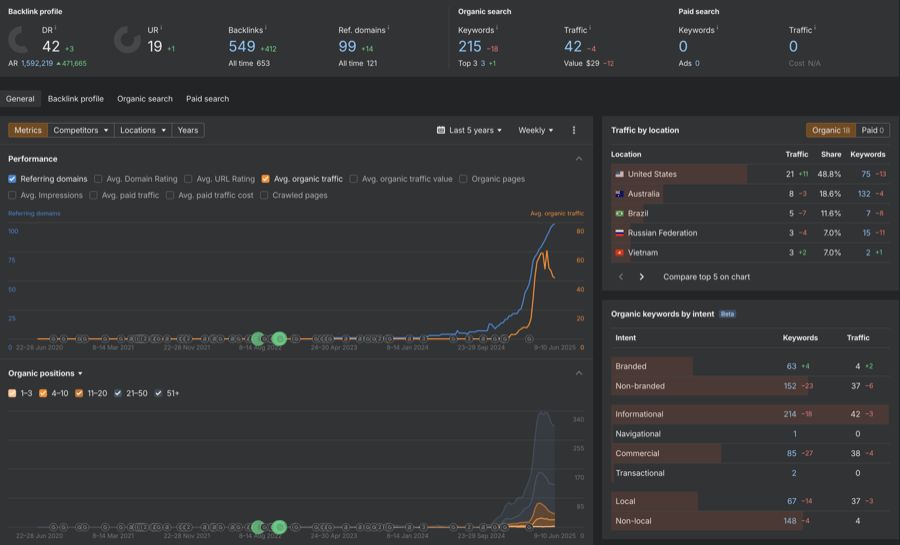
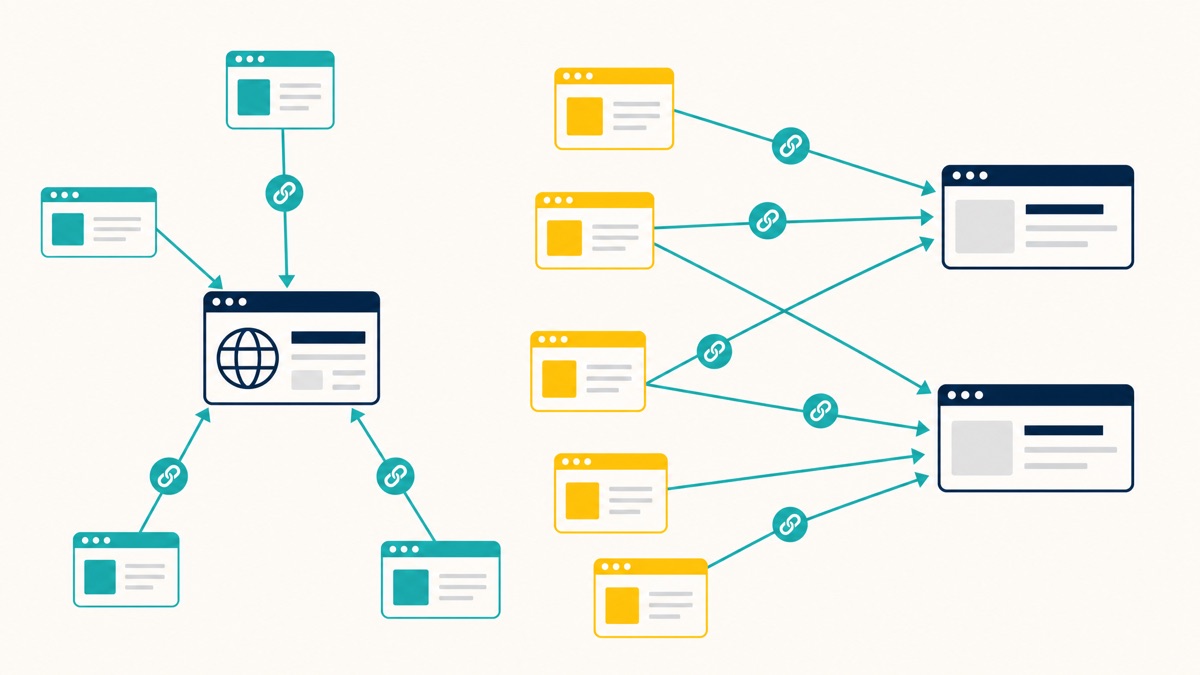
Use a proper backlink tool. Ahrefs (its Site Explorer and Link Intersect report), Semrush (the Backlink Gap tool), Moz Link Explorer and Majestic all do the job. The single most useful view is the backlink gap: sites that link to several competitors but not to you. Those are your warmest, most realistic targets.
Keep an eye on these key metrics:
| Metric | What to Track | Why It Matters |
|---|---|---|
| Total Backlinks | Number of links | Measures overall link-building efforts |
| Referring Domains | Unique websites linking | Highlights diversity in links |
| Australian Links | Links from .au domains | Shows presence in the local market |
| Link Growth Rate | New links each month | Tracks the pace of link-building activities |
These metrics will give you a clear picture of your competitors’ backlink strategies.
Focus on Key Metrics
For each competitor, make sure to gather:
- Link quality scores (DR of the links, number of referring domains..)
- Ratings for content relevance
- Levels of social media engagement
- Frequency of industry mentions
Focus on referring domains (the number of unique sites linking to them) rather than raw backlink count: fifty links from fifty relevant sites beat a thousand links from five. And treat DR or DA as rough third-party estimates of strength, not Google metrics and not a target to chase.
Two operational checks that have entered the practitioner standard in 2024-2026 and that DR alone misses:
- Check the linking page’s organic traffic in Ahrefs Site Explorer or Sistrix, not just the domain’s DR. A DR 65 site with zero organic traffic is a vanity metric; a DR 30 site with two thousand monthly visitors is the better link. The Ahrefs “Top Pages” report makes this fast.
- Confirm the linking page is actually indexed via
site:theirsite.com.au/pathin Google. Unindexed pages mean invisible links, no matter how strong the domain. Sterling Sky and AU practitioner threads on r/SEO both flag this as the most common silent failure in competitor backlink replication.
Organise and Review Your Data
Store all competitor backlink data in a spreadsheet to keep things manageable:
| Column | Data to Record | Update Frequency |
|---|---|---|
| Link Source | Referring website URL | Monthly |
| Link Type | Follow/NoFollow status | Monthly |
| Geographic Location | Country of origin | Quarterly |
| Link Age | Date link was first found | Monthly |
| Anchor Text | Variations in link text | Monthly |
Export the data as a CSV file and update it regularly to keep your analysis current.
Step 3: Check Link Quality
Review Link Sources
Once you have competitor backlink data, examine each link’s source to assess its authority and relevance within the Australian market. Focus on securing links from respected Australian websites, such as:
- Established .au domains
- Industry-specific Australian directories
- Local news and media outlets
- Australian educational institutions (.edu.au)
- Government websites (.gov.au)
Look at factors like domain age, traffic levels, and the quality of the site’s content. For instance, a link from a well-maintained Australian business directory often carries more credibility than several links from inactive or low-quality blogs.
| Link Source Type | Quality Indicators | Red Flags |
|---|---|---|
| Business Directories | Verified listings, regular updates | Spam comments, broken links |
| News Sites | Professional journalism, local focus | Auto-generated content |
| Industry Portals | Expert contributors, active community | Excessive ads, thin content |
| Educational Sites | Academic credentials, research focus | Outdated info, poor maintenance |
While getting links from Australian websites helps with local relevance, local links are not mandatory and you can rank fine with quality links from US or UK domains. One firm rule, though: do not buy links or copy a competitor’s spammy ones. Google’s link spam policies mean manipulative links are detected and neutralised, so chasing them is wasted effort at best and a risk at worst. Replicate the genuine, earned links; ignore the bought and scraped ones.
Check Topic Match
The relevance of the content where a link appears is key to its value. Look at how your competitors are earning links through:
- Industry-specific articles and guides
- Features on local businesses
- Memberships in professional associations
- Event sponsorships
- Expert interviews or commentary
Links embedded in content that directly relates to your industry are much more valuable than random mentions. Always aim for links that appear in well-written, relevant content about your sector.
Study Anchor Text Patterns
Once you’ve confirmed content relevance, review the anchor text (text that links) to ensure a natural and diverse profile. Check how competitors are using anchor text and aim for a balanced mix:
| Anchor Text Type | Example Usage | Recommended Mix |
|---|---|---|
| Brand Name | Company name only | 40-50% |
| Generic Terms | “Click here”, “Learn more” | 20-25% |
| Industry Terms | Relevant service keywords | 15-20% |
| Location-Based | City or state mentions | 10-15% |
| Long-tail Phrases | Natural sentence fragments | 5-10% |
Avoid over-optimised anchor text, as it can appear unnatural. Instead, aim for a variety of text types. This not only strengthens your backlink profile but also supports your local SEO efforts.
Pay attention to competitors using location-specific anchor text like “Sydney”, “Melbourne”, or “Perth”. This often signals a targeted local strategy you might want to replicate for your own campaigns.
Step 4: Compare Link Profiles
Find Shared Links
Look for websites that link to multiple competitors. These shared links often highlight key Australian industry connections and directories that should be part of your link-building plan. Prioritise Australian-specific opportunities such as:
| Link Type | Examples | Priority Level |
|---|---|---|
| Industry Associations | Master Builders Australia, Australian Industry Group | High |
| Local Chambers | Chamber of Commerce WA, Business NSW | High |
| Regional Directories | Localsearch, Hotfrog Australia, council/chamber directories | Medium |
| Trade Publications | Australian Financial Review, The Urban Developer | Medium |
While shared links are essential, don’t overlook unique opportunities.
Find Exclusive Links
Look into backlinks that only top competitors have secured. These can reveal creative and effective link-building strategies. Pay close attention to:
- Regional Media Coverage: Check for mentions in state-specific news outlets like The West Australian or The Courier Mail.
- Local Events: Look at sponsorship pages for industry conferences and trade shows.
- Professional Recognition: Investigate industry awards or certifications.
- Community Involvement: Review partnerships with local councils or community organisations.
For example, a feature in an Australian industry publication often holds more value than a generic business directory listing.
Next, analyse which types of content are attracting these high-quality backlinks.
Review Top-Linked Pages
Determine the content types that are earning quality backlinks from Australian sources:
| Content Type | Link-Building Potential | Content Focus |
|---|---|---|
| Industry Research | Very High | Australian market analysis, sector trends |
| Resource Guides | High | State-specific regulations, compliance guides |
| Case Studies | Medium-High | Local success stories, regional projects |
| Tools & Calculators | Medium | Industry-specific calculators, planning tools |
Aim to create similar content that appeals to your Australian audience.
When assessing linked pages, consider:
- Content length and detail
- Use of Australian data and statistics
- Relevance to local issues or examples
- Inclusion of visuals like charts or infographics
- Contributions from experts in the field
Step 5: Build Your Link Plan
Use Competitor Links as Inspiration
Look at your competitors’ backlinks to guide your outreach strategy. Focus on websites that offer the most value for your goals:
| Link Priority | Website Type | Outreach Strategy |
|---|---|---|
| High | Industry Associations | Apply for membership; submit guest articles |
| Medium-High | Local Business News | Share updates and case studies |
| Medium | Regional Directories | Submit detailed listings |
| Medium-Low | Industry Blogs | Offer expert insights; collaborate |
When reaching out, make your messages personal and highlight what sets you apart. For example, if you’re contacting an industry blog, mention one of their recent posts and explain how your expertise aligns with their audience’s interests.
Once you’ve tackled competitor-inspired links, broaden your focus to local opportunities.
Focus on Local Links

Strengthen your local presence by building connections with Australian businesses and organisations. This will give you an edge and help you rank in Google Maps. Here’s how:
1. Business Networks
- Join your state’s business chambers.
- Attend industry-specific meetups.
- Participate in regional business forums.
- Get involved in local government initiatives.
2. Community Engagement
- Sponsor community events.
- Enter local business awards.
- Support regional charities.
- Take part in local business surveys.
3. Localised Content
- Publish state-specific market analysis.
- Highlight trends in local industries.
- Share regional success stories.
- Create area-focused guides.
Monitor Progress
Tracking your results ensures you’re on the right path and helps fine-tune your strategy. Use these metrics to measure success:
| Metric | Tracking Frequency | Success Indicators |
|---|---|---|
| New Backlinks | Weekly | Increase in referring domains |
| Domain Authority | Monthly | Growth in average DA |
| Geographic Distribution | Quarterly | More AU-based links |
| Link Relevance | Monthly | Higher number of industry-specific links |
Set practical timelines: most efforts yield results within 3 to 6 months if you’re consistent. Keep detailed records of:
- Outreach attempts and the responses you get.
- Performance data for the content you share.
- Costs involved in acquiring links.
- Time spent building relationships.
Regularly evaluate your approach and adjust based on what delivers the best results for your niche. Australian backlinks often take time to secure, but they tend to offer better long-term benefits for local SEO.
Conclusion
Examining competitor backlinks in the Australian market calls for a clear, step-by-step approach. By following this process, you can set up a solid base for your link-building strategy.
The way backlinks add value in Australia depends on several factors, including:
- Consistent tracking: Measure your progress using reliable metrics and adjust your strategy based on actual results.
- Focus on quality: Choose relevant, trusted Australian domains over less impactful international links.
- Thoughtful execution: Create an outreach plan that aligns with local business norms and practices.
Begin with small, manageable goals, such as securing links from local business directories or industry groups. Once you’ve built momentum, tackle more competitive opportunities. Staying consistent and flexible will help you build a strong backlink profile tailored to the Australian market.
Keep your tools up to date and review competitors’ backlinks regularly to spot new opportunities as they arise.
If link building is not something you have time to chase, it is a core part of what we do. Book a call and we will find the realistic, earned links your competitors have that you do not.