
Effective Local SEO Strategy For Perth Businesses
Unlock the power of local SEO to enhance your Perth business's visibility and attract nearby customers. Start dominating local searches today!
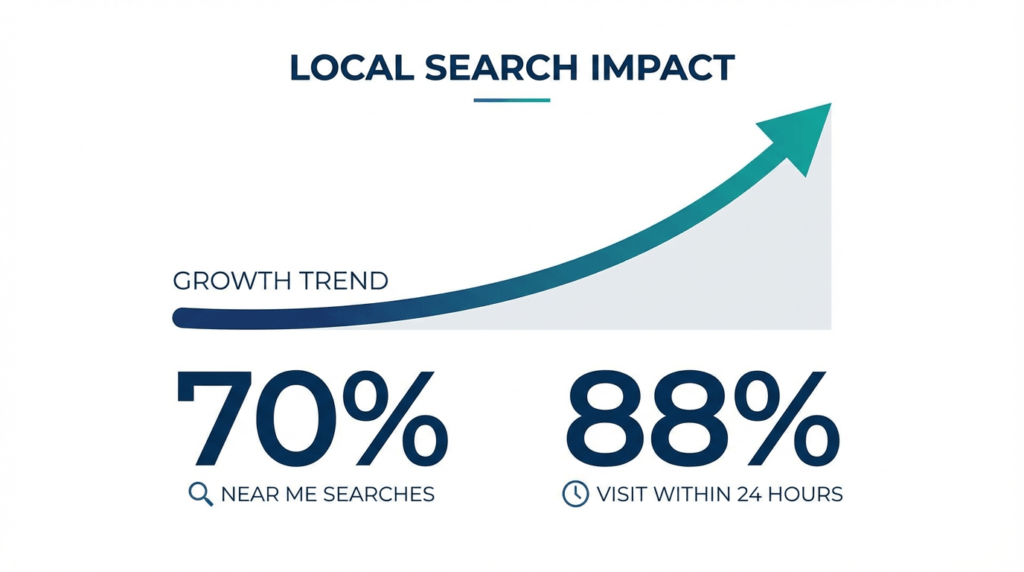
TL;DR: Local SEO connects Perth businesses with high-intent customers at the exact moment they’re searching. In 2026, 70% of consumers rely on near me searches, and 88% visit or call within 24 hours. Your Google Business Profile is the foundation, reviews drive trust and rankings, and AI search engines like Google AI Overviews now influence 40% of local queries. This guide provides the complete strategy to dominate Perth’s local search landscape and turn visibility into revenue.
The local search landscape has transformed completely in the past 18 months. When I founded Search Scope and started working with hundreds of businesses here in WA, the game was simpler. Today, 65% of local searches are voice-activated, 40% of local business queries trigger AI-generated answers, and traditional search volume is declining by 25% as users shift to answer engines.
Yet the opportunity has never been bigger. We’ve generated over $3.5M in client revenue by focusing on what actually moves the needle in Perth’s competitive market. The data is clear: 70% of consumers now rely on near me searches to make decisions, and 88% of those who search on mobile visit or call a business within 24 hours.
An effective local SEO strategy is the most direct path to capturing these high-intent customers. This isn’t about vanity metrics or ranking for keywords no one searches. This is about appearing when Perth locals are ready to buy, and converting that visibility into calls, bookings, and revenue.
What Is Local SEO and Why Perth Businesses Can’t Ignore It in 2026?
Local SEO is the process of optimizing your digital presence to appear in Google’s Local Pack, Google Maps, and AI-generated local answers when Perth customers search for services nearby. It ensures you’re visible at the exact moment someone types “emergency plumber Subiaco” or asks their phone “best coffee near me.”
The prize is the Google Local Pack, those three map listings at the top of search results. Research shows 42% of local searchers click on a result within the Local Pack, making it the most valuable digital real estate for local businesses.
Perth businesses can’t afford to ignore this because 46% of all Google searches have local intent, and 92% of Australians use smartphones to find local businesses. Your online presence is your new shopfront. If you don’t show up in these searches, you’re invisible to a massive pool of ready-to-buy customers.
What makes 2026 different is the AI factor. Google AI Overviews now appear in over 40% of local business queries, fundamentally changing how people find and choose businesses. Instead of clicking through multiple websites, users get direct AI-generated recommendations. The businesses that appear in these answers win the customer before competitors even get seen.
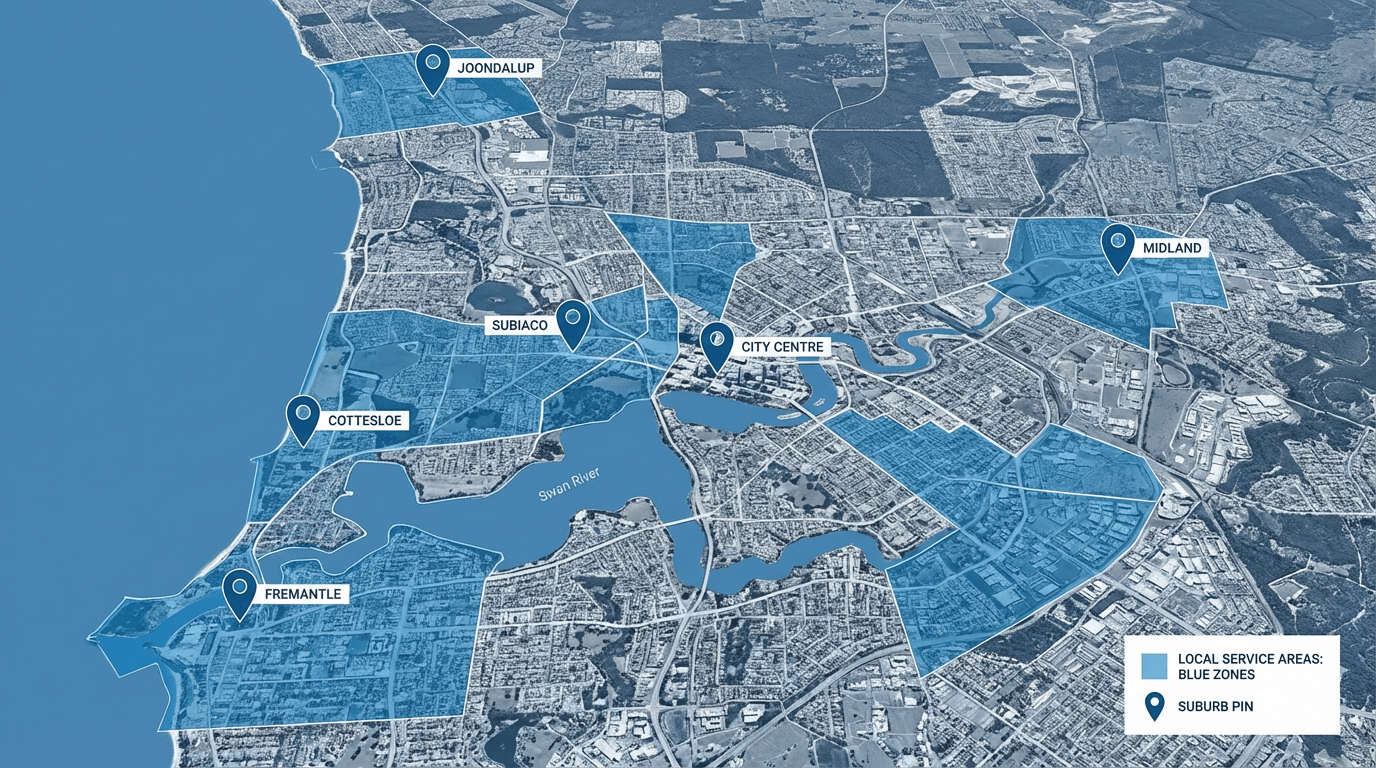
The 2026 Local Search Landscape: What’s Changed
The local search game has shifted from keyword stuffing to entity authority, from static profiles to behavioral momentum, and from traditional search to AI-powered answers. Three major changes define the 2026 landscape, and AI and behavioral signals are now the biggest drivers of Local Pack placement.
First, voice search dominates. 65% of local searches are now voice-activated, meaning people ask questions naturally rather than typing keywords. “Where can I get my car serviced near me?” replaces “car service Perth.” Your content needs to answer real questions in plain language.
Second, Google’s algorithm prioritizes behavioral signals and entity authority over pure keyword matching. How users interact with your listing matters more than how many times “electrician” appears on your website. Fresh reviews, regular profile updates, and genuine engagement signal that you’re an active, trusted business.
Third, the rise of AI search is rewriting the rules. Gartner predicts traditional search volume will drop 25% this year as users shift to AI answer engines. Google AI Overviews reach more than 2 billion monthly users, and these systems need different optimization tactics than traditional SEO.
For Perth businesses, this means citations have evolved from a ranking lever to a verification layer. They’re no longer about volume. They’re about proving to Google and AI systems that your business is real, consistent, and trustworthy across the entire web.
Foundation 1: Master Your Google Business Profile (The Non-Negotiable)
Your Google Business Profile (GBP) is the single most important asset in your local SEO strategy. It’s the free profile that appears on Google Search and Maps, and it’s the first thing potential customers see when they search for your services.
I tell every client to focus the majority of their early efforts here. A fully optimized GBP can deliver results in 6-8 weeks, while organic website rankings take 3-4 months. The ROI is immediate and measurable.
Start by filling out every single section. Your exact business name, address, and phone number (NAP) must be 100% accurate and match what’s on your website and across all directories. Choose your primary business category carefully. Use a free Chrome extension like GMB Everywhere to see what categories your top Perth competitors are using.
Add all your services as individual listings. If you’re a plumber, don’t just say “plumbing services.” List blocked drains, hot water repairs, gas fitting, and emergency plumbing separately. This helps you appear for more specific searches.
Upload high-quality photos every week. Real photos of your work, your team, and your premises build trust far more effectively than stock images. Businesses with photos receive 42% more requests for directions and 35% more website clicks.
Turn on the messaging feature so customers can contact you directly from your profile. Enable appointment booking if relevant to your business. Use Google Posts weekly to share updates, offers, or helpful tips. These signals show Google you’re an active business worthy of prominent placement.
Most importantly, optimize your profile for how to get more Google reviews. This is the foundation that everything else builds on.
You must fill out every single section. This includes your exact business name, address, and phone number (NAP), plus your hours, website, and service areas. This NAP data must be 100% consistent across the web.
How Do Google Reviews Actually Impact Your Rankings and Revenue?
Google reviews function as both trust signals and ranking factors, creating a powerful dual effect. Every 10 reviews improves conversion rates by 2.8%, and a 1-star rating increase can boost revenue by 5-9%. Reviews aren’t just customer opinions, they’re measurable assets that directly impact whether Google shows your business at all.
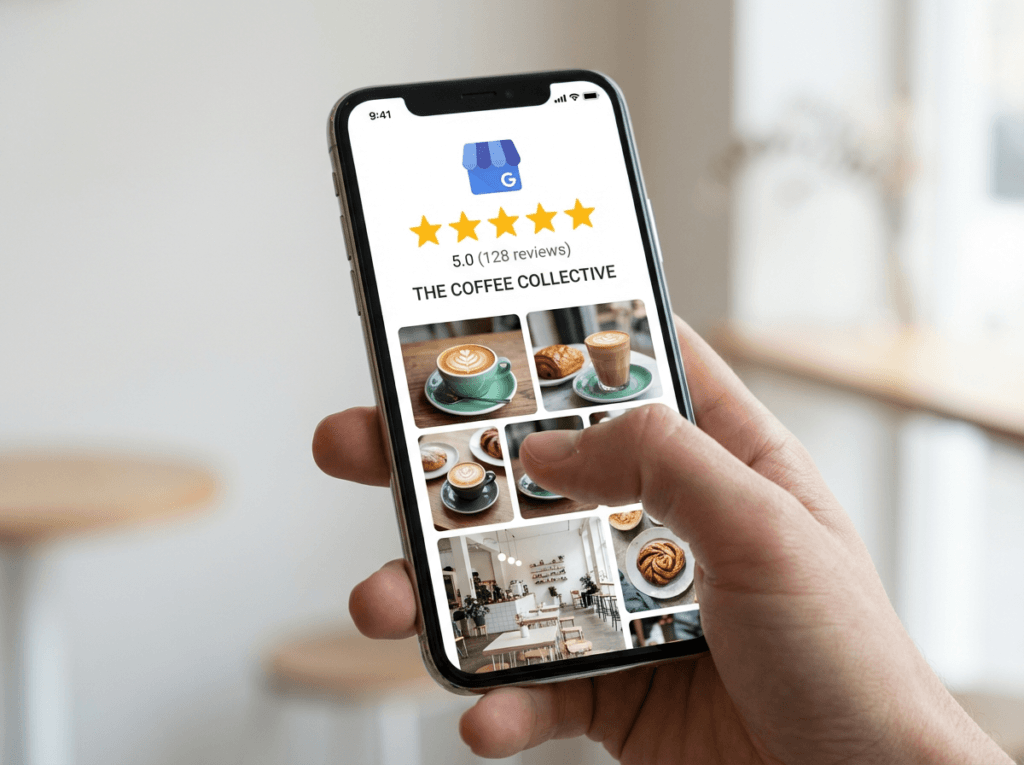
The numbers are staggering. Strong review profiles boost traffic by 126% and increase conversions by 93%. But it’s not just about the star rating. Google’s algorithm evaluates review momentum. A business with 20 reviews in the past month ranks better than one with 100 old reviews and nothing recent.
Research shows reviews account for over 15% of local ranking factors, but the real impact goes deeper. The sentiment in reviews, the keywords customers use, the freshness of feedback, and even the authority of the reviewers all feed into Google’s assessment of your business quality.
From my experience working with hundreds of Perth businesses, reviews also affect the overall trust Google places in your business. This is particularly true for local businesses, but it even applies to e-commerce. We often see this in cases of Google Merchant Center misrepresentation suspensions.
Google now uses its AI tools and systems to look at a business’s entire digital footprint and reputation. Building reviews on as many profiles as possible, not just Google Business Profiles, really helps with trust and conversions. It serves as a solid signal to Google that you’re a legitimate, active business with satisfied customers.
Build a systematic review generation process. After completing a job, send a simple text or email asking the customer to share their experience. Use a tool like Podium or ReviewTrackers to automate this without being pushy. Make it as easy as possible by including a direct link to your review profile.
Respond to every review, both positive and negative. Thank customers for positive feedback and address concerns in negative reviews professionally. This shows potential customers you care, and it shows Google you’re engaged with your community.
The goal isn’t just volume. It’s consistent momentum. Five new reviews per month beats 20 reviews all at once, then nothing for six months. Reviews that show how your services benefit local customers create a flywheel effect, driving both rankings and conversions simultaneously.
What Is NAP Consistency and Why Does It Matter More Than Ever?
NAP consistency means your business Name, Address, and Phone number are identical across every single digital listing, from your website to Google to Yelp to industry directories. In 2026, this has evolved from a ranking signal into Google’s verification layer. Accurate NAP consistency can make businesses perform up to 18 times stronger in local search.
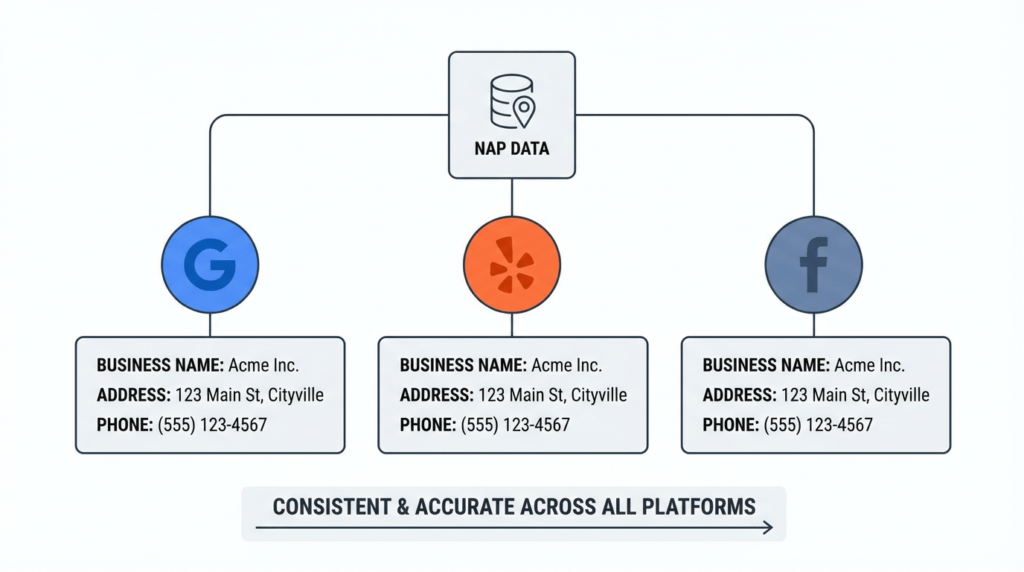
Think of NAP as your business’s digital fingerprint. When Google finds your business name spelled the same way, with the exact same address format and phone number across dozens of platforms, it confirms you’re a real, established business. When it finds inconsistencies, “Search Scope” on one site and “SearchScope” on another, or different phone numbers on different platforms, it creates algorithmic uncertainty.
NAP consistency is increasingly important when doing AI SEO. Google and large language models (LLMs) now look at your entire digital footprint for consistency. If you have a fragmented digital footprint with different NAP details all over the place, you aren’t sending the right signals.
Consequently, an LLM won’t trust you and won’t cite you in its replies. When ChatGPT or Google Gemini evaluates which businesses to recommend for a local query, they cross-reference data from multiple sources. Inconsistent information triggers red flags, and you get filtered out before you’re even considered.
Start by auditing your current listings. Check your website, Google Business Profile, Facebook, Yelp, and any industry-specific directories. Document exactly how your NAP appears on each. Then standardize everything. Use the exact same format everywhere.
Tools like BrightLocal and Whitespark can help you find citation opportunities and monitor consistency across hundreds of sites. The cleanup process takes time, but the payoff is significant.
Once your NAP is consistent, Google can confidently verify your business and your prominence in search results increases.pages on your website for each suburb. A plumber, for instance, should have separate pages for “Emergency Plumber Scarborough” and “Blocked Drains Victoria Park.”
Foundation 2: Local Keyword Research for Perth Markets
Your local SEO strategy begins with understanding exactly what Perth locals are searching for. Generic keyword research isn’t enough. You need to identify the specific phrases people use in your service area, the suburbs they mention, and the seasonal patterns that drive demand.
Start with local keyword research tools like Google Keyword Planner, Semrush, or Ahrefs. But don’t overlook the free tools Google provides. Google Autocomplete shows you real-time popular searches as you type. Start typing “plumber in” and Google will suggest “plumber in Subiaco,” “plumber in Joondalup,” and other high-volume local terms.
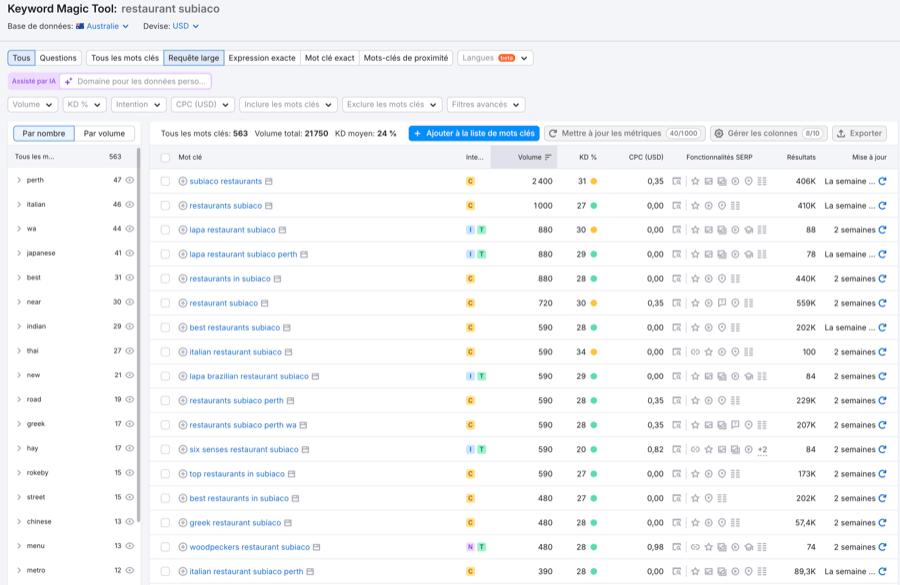
Suburb or hyperlocal search terms can prove to be very valuable for certain businesses
Google Trends is powerful for identifying seasonal demand. A pool cleaner in Morley can use Trends to see when search interest spikes before summer and plan content and Google Posts accordingly. This lets you get ahead of the competition when demand surges.
Focus on three types of keywords. Service plus location keywords like “emergency electrician Victoria Park.” Problem plus location keywords like “blocked drain Fremantle.” And near me variations which now account for 70% of local consumer searches.
Perth-specific long-tail opportunities often have less competition and higher intent. “Wedding photographer Perth Hills” is more valuable than just “wedding photographer” because it captures someone ready to book in a specific area. These hyperlocal terms should be woven into your website content, Google Business Profile description, and service pages.
In 2026, think about entities, not just keywords. Google understands that “best Italian restaurant Northbridge” and “top pasta in Northbridge” have the same intent. Build topical authority around locations and services rather than obsessing over exact keyword matches.
How Do You Build Local Backlinks That Actually Move Rankings?
Local backlinks are links from other Perth-based websites to yours, and they signal to Google that you’re a trusted part of the local community. Authority signals including backlinks, citations, and local partnerships are now primary drivers of Local Pack placement.
The strategy is simple but requires effort. Sponsor a local sports team like the East Perth Royals or a community event like the Perth Festival. You’ll get a link from their website and build genuine community connections. These aren’t just SEO links, they’re real relationships that can drive referrals.
Partner with non-competing local businesses. If you’re a real estate agent in Cottesloe, write a guest post for a local builder’s blog about home staging tips. If you’re a landscaping company, partner with a local nursery and exchange blog links about native Perth plants.
Target local media and publications. Perth Now, Community News, and suburb-specific blogs all provide valuable local backlinks. Offer expert commentary on industry topics or share a compelling business story. Local journalists need content and you need exposure. It’s a fair trade.
Join the Perth Chamber of Commerce or industry-specific associations. These often provide member directory listings with backlinks. The links themselves matter, but the association with established organizations adds credibility signals that Google values.
Avoid low-quality link schemes or generic directory spam. One link from a respected Perth business or news outlet is worth more than 100 links from random directories. Quality local backlinks help search engines verify your geographic relevance and boost your domain authority simultaneously.
Foundation 3: Citations and Directory Listings in the AI Era
Local citations are mentions of your business’s NAP on other websites. While they’re no longer the primary ranking lever they once were, they’ve become part of the verification layer that decides whether your business is trusted enough to be shown at all, especially in AI-generated local answers.
In 2026, the focus has shifted from quantity to quality. 95% of experts now prioritize authoritative, relevant sites over raw volume. Start with foundational directories: Google Business Profile, Apple Maps, Bing Places, and Yelp. These are high-authority platforms that Google trusts.
Then move to reputable Australian directories like Yellow Pages and TrueLocal. These have editorial oversight and local relevance. Finally, target industry-specific sites. If you’re a dentist, get listed on health directories. If you’re a builder, list on Houzz or Master Builders Association directories.
Each listing should have a unique business description. Google dislikes duplicate content, and unique descriptions improve indexing rates. The description doesn’t need to be completely rewritten, just different enough to avoid duplication penalties.
Citations serve a dual purpose now. They verify your business for traditional search algorithms, and they provide data points for AI systems to cross-reference. When an LLM is deciding which Perth plumber to recommend, it looks at how consistently your information appears across trusted sources.
Use tools like BrightLocal or Whitespark to find citation opportunities, monitor your existing listings, and get alerts when your NAP information changes anywhere on the web. Regular citation audits and updates ensure you maintain the consistency that AI systems demand.
Advanced Strategy: Perth Suburb Landing Pages That Convert
If you serve multiple Perth suburbs, you need dedicated landing pages for each area. Generic service pages don’t cut it anymore. A plumber needs separate pages for “Emergency Plumber Scarborough” and “Blocked Drains Victoria Park.” This hyperlocal approach captures high-intent searches from people in specific areas.
The key is making each page genuinely unique and locally relevant. Don’t just swap out suburb names in a template. Include a testimonial from a client in that suburb. Mention a local landmark. Discuss a common problem specific to that area’s housing. If you service older homes in Mount Lawton, talk about cast iron pipe issues. If you work in new developments in Butler, address modern plumbing systems.
Structure your content to answer the question someone in that suburb would ask. “Looking for a reliable electrician in Fremantle who understands heritage homes?” This shows you’re not just a generic business plastering suburb names everywhere. You have genuine local expertise.
Each location page should include your NAP information, a service area map, local testimonials, and content optimized for that suburb’s specific keywords. Link these pages from your main service pages and from each other where relevant. This internal linking structure helps Google understand the geographic depth of your service coverage.
Optimizing location pages properly is one of the highest-leverage tactics for multi-location or service area businesses. It lets you capture search volume across all the suburbs you serve without diluting your relevance.
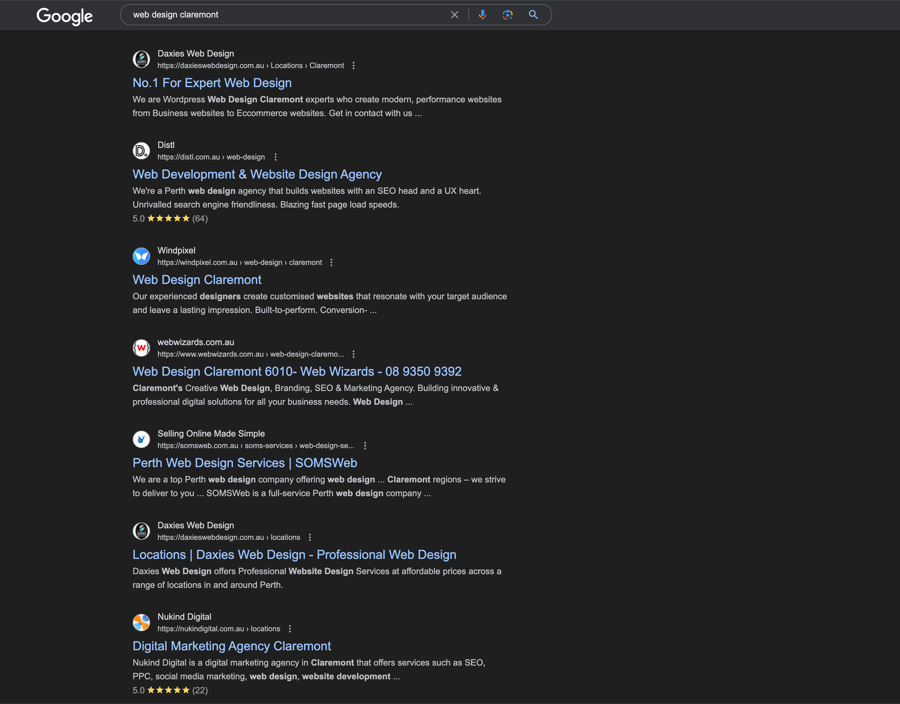
Example for “Web Design Claremont” queries showing Web agencies using suburb landing pages to target hyperlocal searches
These pages must contain unique content. Include a testimonial from a client in that suburb, mention a local landmark, or discuss a common problem specific to that area’s housing. This demonstrates genuine local expertise and helps you rank for highly specific, valuable search terms.
This shows you aren’t just a generic business, but one that is truly embedded in the local community. This personal touch can be the deciding factor for a customer choosing you over a competitor.
What Is Local Schema Markup and Do You Need It?
Local schema markup is structured code added to your website that helps search engines and AI answer engines understand your business details more clearly. It explicitly defines your address, phone number, opening hours, geographic coordinates, and services. This increases your chances of appearing in rich snippets and being cited in AI-generated recommendations.
Think of schema as giving Google a perfectly organized business card instead of making it parse your website to figure out basic information. By using the LocalBusiness schema type, you can include details like accepted payment methods, price range, service areas, and links to your social profiles.
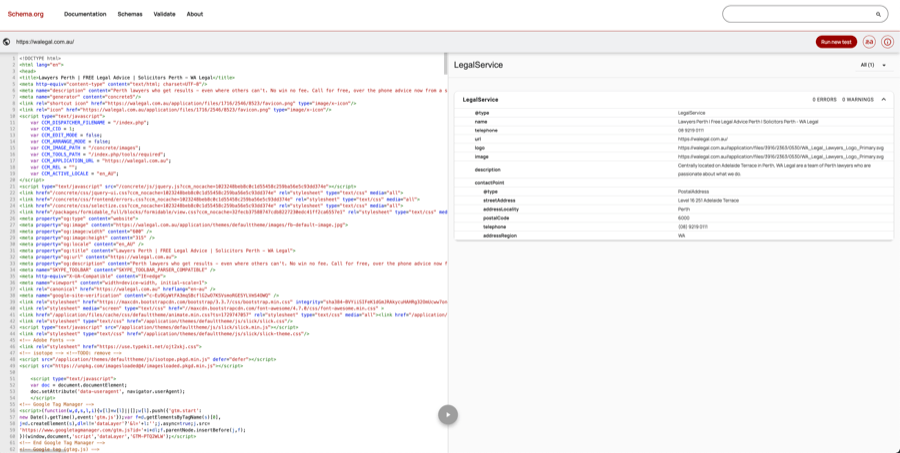
The payoff is visibility in rich snippets. Those search results with star ratings, opening hours, and phone numbers displayed directly in search results get significantly higher click-through rates. Schema also helps your business appear in voice search results and AI-generated answers.
Implementing schema isn’t as technical as it sounds. You can use Google’s free Structured Data Markup Helper to generate the code. Add it to your website’s HTML, typically in the header or footer. If you use WordPress, plugins like Yoast SEO or RankMath can add schema automatically.
Test your schema implementation using Google’s Rich Results Test tool. This confirms Google can read your markup correctly and shows you what rich results you’re eligible for. For multi-location businesses, add schema to each location page with location-specific details.
How Does Internal Linking Boost Local SEO Authority?
Internal linking from your service pages to your location pages builds topical and geographic authority by showing search engines the depth of your local expertise. When your main “Commercial Electrician Perth” page links to your “Office Fit-outs West Perth” and “Retail Lighting Canning Vale” pages, Google understands the relationship between your services and locations.
This structure distributes PageRank throughout your site and helps all your pages rank better. It also improves crawl depth, ensuring Google discovers and indexes all your location-specific content. The anchor text you use matters. “Emergency plumber in Subiaco” is better than “click here.”
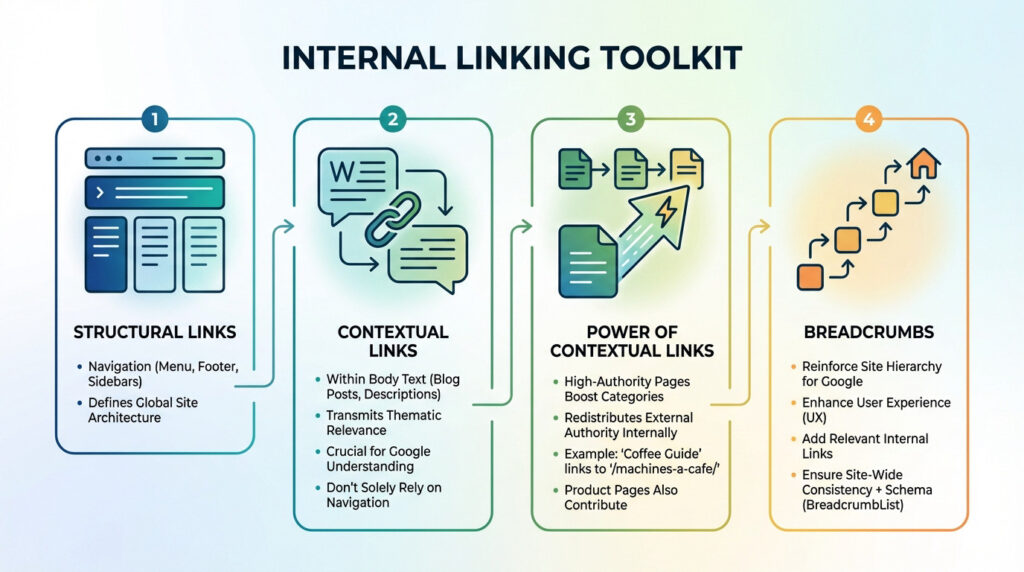
Master your website’s SEO and user experience with this comprehensive Internal Linking Toolkit infographic! Learn about structural, contextual, and breadcrumb linking strategies.
Create a hub-and-spoke structure. Your main service pages are hubs. Your location pages, blog posts, and FAQ pages are spokes. Link from hubs to relevant spokes, and link spokes to each other where it makes sense. If you write a blog post about “Choosing the Right Hot Water System,” link to your “Hot Water Repairs Joondalup” location page.
Internal linking best practices for local SEO include using descriptive anchor text, linking to your most important pages from multiple places, and ensuring every page is no more than three clicks from your homepage. This structure helps both users and search engines navigate your site efficiently.
Don’t overdo it. Three to five contextual internal links per page is plenty. The links should feel natural and helpful to readers, not forced in for SEO purposes. When done right, internal linking is one of the simplest ways to boost your entire site’s local SEO performance.
Advanced Strategy: Creating Perth-Focused Content That Ranks
A blog is a powerful tool for demonstrating local expertise and capturing long-tail local search traffic. The key is writing content that’s genuinely useful to your Perth audience. A landscaping company in the Perth Hills could write “Choosing Fire-Resistant Plants for Your Kalamunda Garden.” A pool company could create “Pool Maintenance Tips for Perth’s Hot Summers.”
This type of content attracts highly relevant local traffic and provides opportunities to naturally include local keywords. It positions your business as a helpful expert, building trust before potential customers even contact you. The SEO benefit is real. Google’s algorithm rewards comprehensive, locally-relevant content that demonstrates depth of knowledge.
Focus on answering real questions your Perth customers ask. Use Google’s “People Also Ask” section for ideas. Check local forums and Facebook groups to see what problems people discuss. These insights help you create content that matches search intent perfectly.
Seasonal content works particularly well. Before summer, write about preparing air conditioning systems or protecting gardens from heat. Before winter, write about roof maintenance or heating efficiency. Perth’s climate creates predictable search patterns you can leverage.
Each piece of content should link to relevant service pages and location pages. Your “Fire-Resistant Plants” article should link to your “Landscaping Services Kalamunda” page. This internal linking turns blog traffic into qualified leads while boosting the SEO value of your money pages.
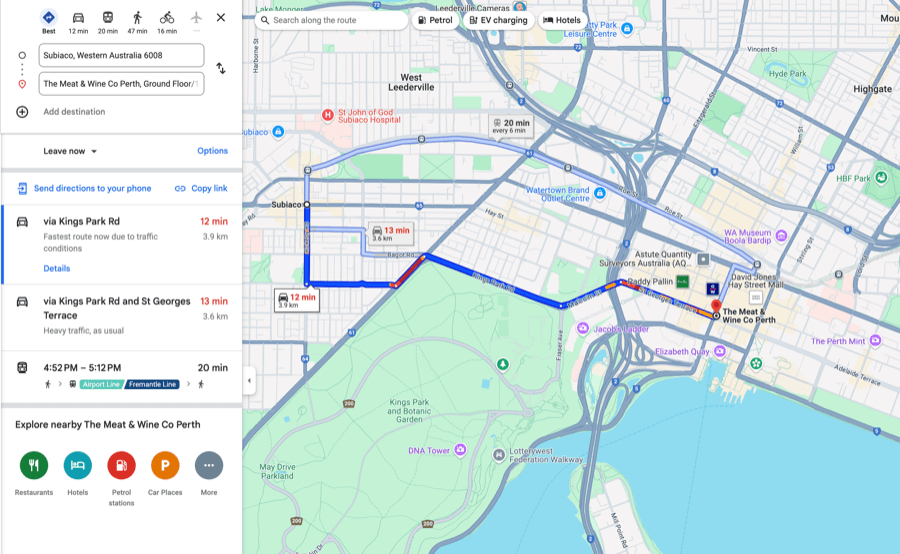
Local leads can request driving directions or call your business directly from Google maps results
Reputation Management: Making Reviews Your Competitive Advantage
Review volume and velocity are both critical ranking factors in 2026. A steady stream of new reviews signals Google that you’re currently active and delivering quality service. The businesses that dominate Perth’s local search results all have robust review profiles across multiple platforms.
The number of reviews on a business’s GMB profile is one of the most important ranking factors in Google Maps. Google has significantly increased its importance in their local algorithm.
Build a systematic review generation process. After completing a job, wait 24-48 hours, then send a simple text or email asking the customer to share their experience. Include a direct link to your Google Business Profile review page. Make it as easy as possible, ideally requiring just two clicks.
Don’t stop at Google. Build reviews on Facebook, industry-specific platforms, and even Yelp. This multi-platform approach serves two purposes. It builds social proof for different audience segments, and it strengthens Google’s trust in your business by showing consistent positive feedback across the web.
Response strategy matters as much as getting reviews. Thank every customer who leaves positive feedback. For negative reviews, respond professionally within 24 hours. Acknowledge the concern, apologize if appropriate, and offer to resolve the issue offline. Potential customers read your responses to judge how you handle problems.
Tools like Podium, ReviewTrackers, or Birdeye can automate review requests and monitor all your review profiles from one dashboard. The investment pays for itself by making review generation consistent and effortless rather than something you remember to do occasionally.
The goal is creating review momentum. Five new reviews per month, every month, beats 20 reviews in one month then silence for six months. Consistent momentum is what Google’s algorithm rewards and what potential customers trust.
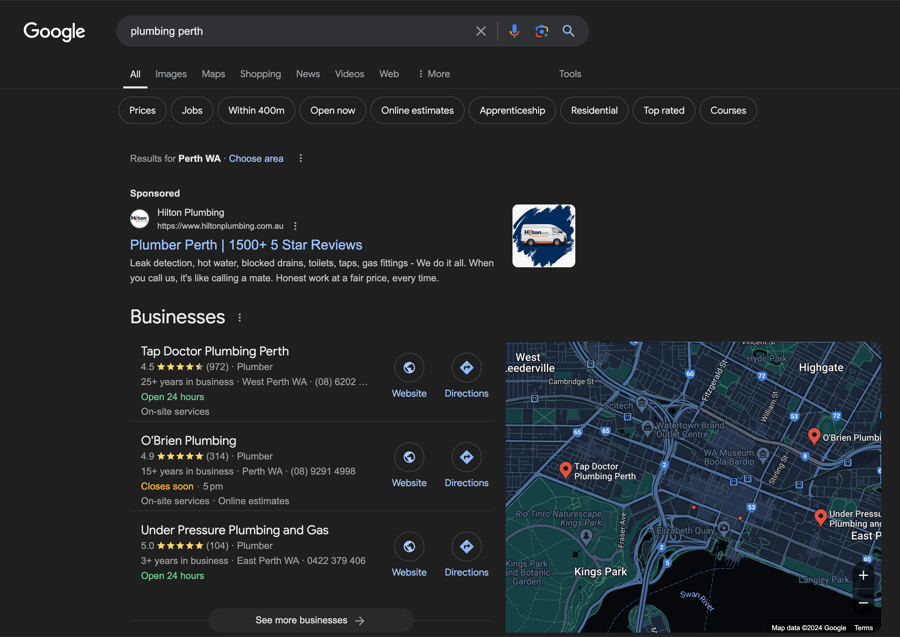
Reviews are super important in competitive niches!
How Is AI Search Changing Local SEO in 2026?
AI search engines now influence 40% of local business queries, fundamentally changing how customers find and choose businesses. Instead of scrolling through traditional search results, users get direct AI-generated recommendations. The businesses cited in these answers win the customer before competitors get seen.
This shift requires a new optimization approach called Generative Engine Optimization (GEO). GEO focuses on structuring your content so AI systems can retrieve, cite, and recommend your brand when answering user questions. It’s different from traditional SEO because AI needs clear, direct answers, not just keyword optimization.
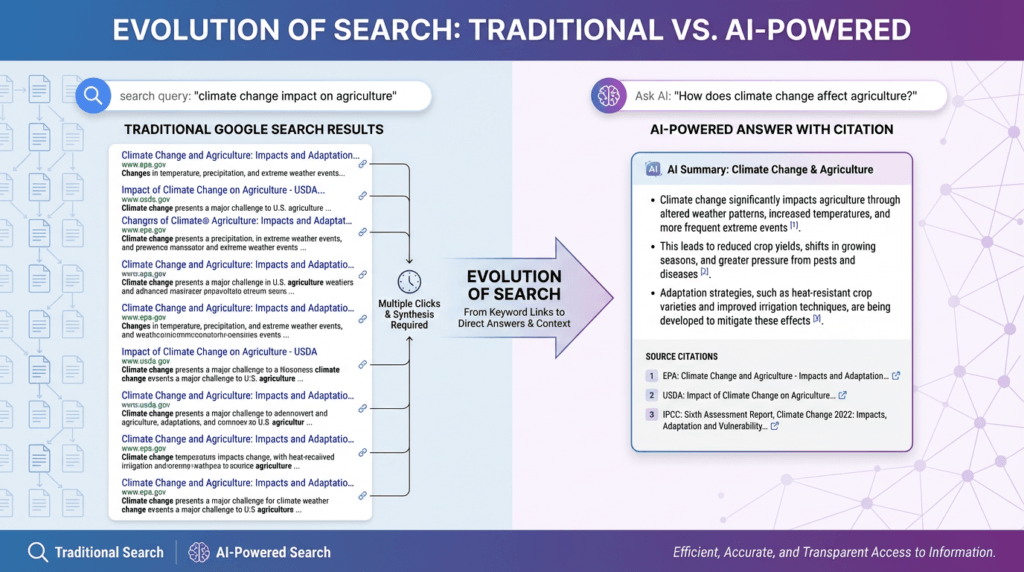
The numbers show why this matters. Google AI Overviews reach over 2 billion monthly users, and Gartner predicts traditional search volume will drop 25% this year as users shift to AI answer engines. For Perth businesses, this means optimization for ChatGPT, Google Gemini, Perplexity, and other AI platforms is now essential.
The answer capsule format used throughout this article is an example of GEO optimization. By providing 30-60 word direct answers to questions, you make it easy for AI systems to extract and cite your content. These capsules should be self-contained, making sense even when pulled out of context.
Entity building is critical for GEO success. Your business needs to be recognized as an authoritative entity in your niche and location. This means consistent NAP across the web, authoritative backlinks, comprehensive content covering your topic area, and structured data markup that helps AI systems understand your business.
Audit your AI visibility to see how often your business appears in AI-generated answers. Ask ChatGPT and Google’s AI search for recommendations in your industry and location. If you’re not appearing, your competitors are capturing customers before you even get a chance.
What Results Can You Expect from Local SEO?
Local SEO delivers results in stages. Your Google Business Profile momentum builds in 6-8 weeks with consistent optimization, fresh content, and new reviews. You’ll see increases in profile views, direction requests, phone calls, and website clicks through your GBP Insights dashboard.
Organic website rankings take longer. Expect 3-4 months before you see meaningful movement for competitive keywords like “plumber Perth.” Less competitive suburb-specific terms may rank faster. The timeline depends on your domain authority, competition level, and how consistently you execute the strategy.
Track KPIs that matter to revenue. GBP insights show how many people viewed your profile, clicked your website, requested directions, or called. Google Search Console shows which keywords drive traffic and which pages rank where. Set up conversion tracking to measure quote requests, form submissions, and phone calls.
Success looks different at each stage. In month one, you’re building foundations with complete profiles and initial reviews. By month three, you should see ranking improvements and increased visibility. By month six, you’re generating consistent leads and can calculate the ROI of your SEO investment.
Perth’s market competitiveness varies by industry. Competitive niches like legal, medical, and trade services require more aggressive strategies and longer timelines than less competitive services. But the fundamental approach remains the same: optimize your GBP, build reviews, ensure NAP consistency, create location-specific content, and adapt to AI search.
When results plateau, double down on what’s working. If reviews drive the most traffic, intensify your review generation. If blog content brings qualified leads, publish more frequently. If certain suburbs convert better, create more content targeting those areas. Local SEO is an iterative process of testing, measuring, and scaling what works.
Conclusion
Local SEO in 2026 is fundamentally different from even two years ago. AI search has changed how customers find businesses. Behavioral signals outweigh pure keyword optimization. Entity authority and consistent digital footprints matter more than ever. But the core opportunity remains: capturing high-intent Perth customers at the exact moment they’re ready to buy.
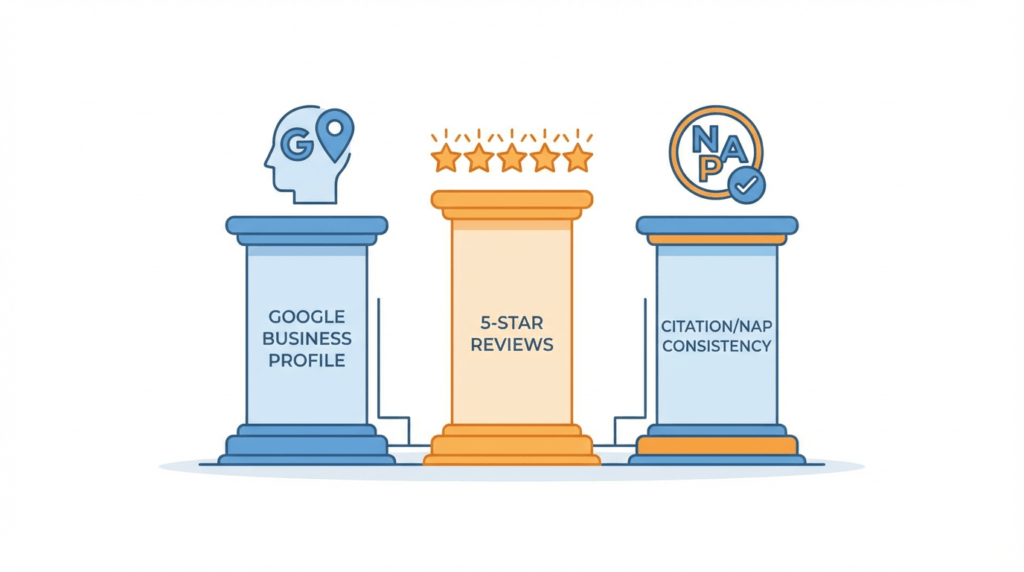
Three principles drive success. First, your Google Business Profile is your highest-leverage asset. Optimize it completely, keep it updated, and build review momentum. Second, reviews create both ranking power and customer trust simultaneously. Make review generation a systematic process, not an occasional afterthought. Third, AI search requires answer-friendly content structure and entity building across your entire digital footprint.
The businesses dominating Perth’s local search results in 2026 aren’t doing one thing well. They’re executing all the fundamentals consistently. Complete GBP profiles with weekly updates. Steady review generation across multiple platforms. NAP consistency verified across hundreds of sites. Location-specific content demonstrating genuine local expertise. And structured content optimized for AI systems to extract and cite.
Start with a complete audit of your Google Business Profile today. Your next customer is searching right now, and every day you delay is revenue handed to competitors. If you want expert help navigating Perth’s competitive local landscape, Search Scope has generated $3.5M+ for local businesses through systematic local SEO strategies. We focus on what delivers results, not vanity metrics. Book a free strategy call to see where you rank and what’s needed to dominate your local market.
Frequently Asked Questions
How long does it take to see results from local SEO in Perth?
Google Business Profile optimization typically shows results in 6-8 weeks with increased profile views, calls, and direction requests. Organic website rankings for competitive keywords take 3-4 months, while less competitive suburb-specific terms may rank faster. The timeline depends on your starting point, industry competitiveness, and execution consistency. Track metrics like GBP insights, keyword rankings, and conversion events to measure progress at each stage.
What’s more important: reviews or backlinks for local rankings?
Both matter, but reviews have become more critical in 2026 because they create dual impact. Reviews directly influence Local Pack rankings (accounting for over 15% of ranking factors) while simultaneously improving conversion rates by building trust. Every 10 reviews improves conversions by 2.8%, and a 1-star rating increase boosts revenue by 5-9%. Backlinks are essential for domain authority and entity verification, but review momentum is your highest-leverage tactic for immediate visibility and revenue growth.
Do I need separate pages for every suburb I serve?
Yes, if you want to capture suburb-specific searches effectively. Generic service pages don’t rank well for hyperlocal queries like “emergency plumber Scarborough.” Each location page should have unique content including local testimonials, area-specific problems, and mentions of local landmarks. This demonstrates genuine local expertise rather than just keyword stuffing suburb names. The internal linking structure between location pages and service pages also helps Google understand your geographic coverage depth.
Can I rank without a physical Perth address?
Service area businesses (plumbers, electricians, mobile services) can rank without a public-facing address by properly configuring your Google Business Profile to hide your address and show only your service areas. However, you must have a real Perth-based location for verification purposes, even if customers never visit it. Google requires physical verification to prevent spam. Virtual offices and PO boxes don’t qualify. If you operate entirely online or from outside Perth, local SEO becomes much more difficult and may not be the right strategy.
How much should I spend on local SEO per month?
For Perth businesses, expect to invest $1,500-$4,000 per month for professional local SEO services, depending on your industry competitiveness and scope. DIY approaches cost time rather than money but require learning technical skills. The ROI calculation matters more than the cost. If local SEO generates 5-10 qualified leads per month and your average customer value is $2,000, you’re seeing 3-7x ROI. Start by calculating your customer lifetime value, then determine how many additional customers you need to make SEO profitable.necting with people who are most likely to use your services.